
Most people associate the Mediterranean diet with heart health. With its familiar formula of olive oil, fish, and vegetables, the cardiovascular research behind it is well-established. But a growing body of science points to a less expected benefit: this same dietary pattern may play a meaningful role in inflammatory bowel disease and chronic skin conditions.
This connection is not a coincidence, and understanding why it exists reveals something important about how gut health actually works.
What IBD and Skin Conditions Have in Common
Crohn's disease and ulcerative colitis are types of inflammatory bowel disease (IBD), characterized by chronic inflammation in the gastrointestinal tract. Seemingly unrelated skin conditions like psoriasis, acne, and hidradenitis suppurativa are now being linked by a common factor: systemic inflammation originating in the gut.
The gut is a primary hub for the immune system. If the gut lining is compromised (due to dysbiosis, poor diet, or disease) the resulting inflammatory signals can circulate throughout the body. While this inflammation is most apparent in the digestive tract for those with IBD, it can manifest in the skin for those with conditions like psoriasis.
Though they appear separate, the gut and skin are both affected by the same underlying inflammatory mechanisms. This connection explains why dietary changes aimed at reducing gut inflammation are gaining interest among both dermatologists and gastroenterologists.
What the Research Is Showing
Two recent peer-reviewed studies support this idea. The first, published in the Journal of the Canadian Association of Gastroenterology, concluded that the Mediterranean diet should be formally integrated into clinical practice for IBD. The diet's mix of anti-inflammatory fats, high fiber, and polyphenol-rich plants seems to positively influence the gut microbiome, which may help manage both Crohn's disease and ulcerative colitis.
A second study from Current Nutrition Reports focused on plant-based foods and chronic skin conditions, highlighting the Mediterranean diet. The research suggests this dietary pattern could complement conventional treatments for psoriasis, acne, and hidradenitis suppurativa Conditions often difficult to manage with medication alone.
Both studies position the diet as a valuable addition to clinical treatment, not a replacement. While not a cure, the Mediterranean diet appears to reduce the underlying inflammation that drives gut and skin diseases when followed consistently.
What the Mediterranean Diet Actually Looks Like
The Mediterranean diet works because it's a sustainable eating pattern, not a rigid protocol. It doesn't require calorie counting, eliminating food groups, or following a specific meal plan. The principles are simple.
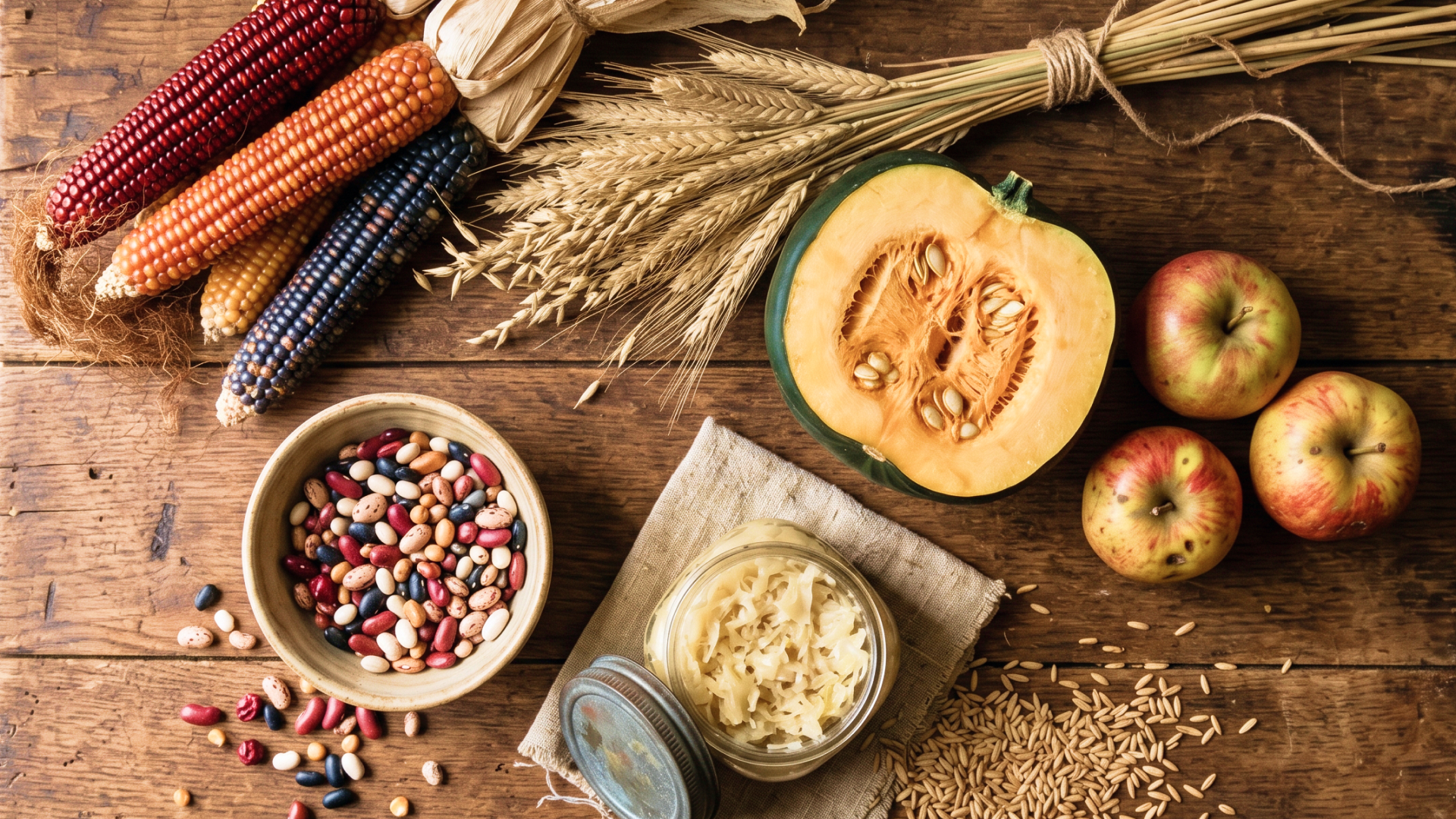
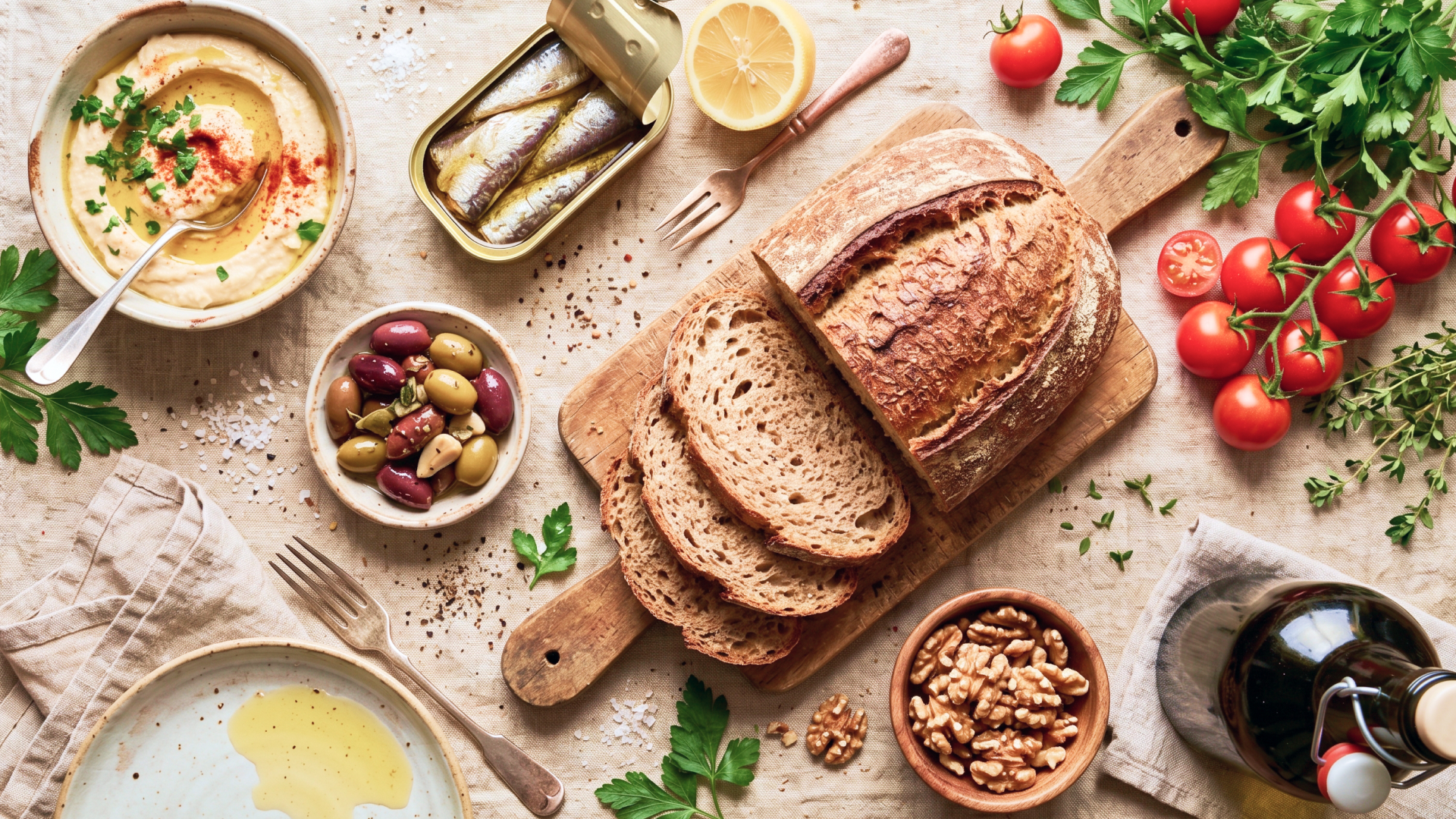
The diet is primarily plant-based, with vegetables, fruits, legumes, and whole grains making up most meals. Extra virgin olive oil replaces fats like butter and bottled salad dressings. Fatty fish, such as salmon and sardines, are eaten regularly, along with moderate amounts of dairy and eggs. Red meat, processed foods, and added sugars are minimized but not eliminated.
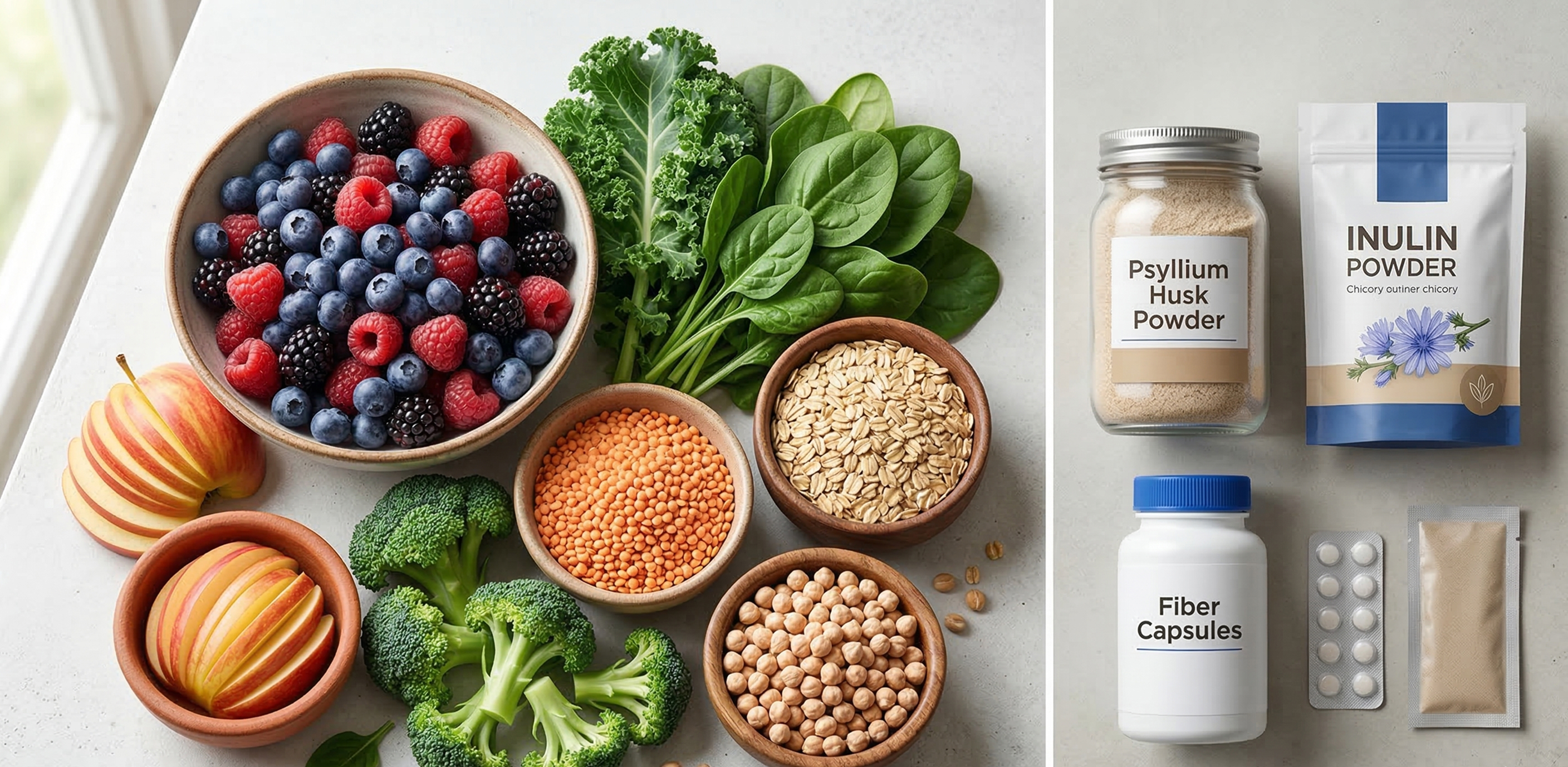
This eating pattern is rich in dietary fiber and polyphenols, which support a healthy gut microbiome. Fiber nourishes beneficial bacteria, while polyphenols (abundant in olive oil, vegetables, and legumes) have anti-inflammatory properties.
Foods to build around:
- Extra virgin olive oil (your go-to cooking fat and salad dressing base)
- Fatty fish: salmon, sardines, mackerel, and tuna (fresh or tinned)
- Legumes: chickpeas, lentils, cannellini beans, and black beans
- Whole grains: farro, barley, whole wheat bread, and oats
- Vegetables: leafy greens, tomatoes, eggplant, zucchini, and bell peppers
- Fruits: citrus, figs, berries, and pomegranate
- Nuts and seeds: walnuts, almonds, and sunflower seeds
- Fresh and dried herbs: parsley, oregano, basil, and mint
- Moderate amounts of eggs, cheese, and yogurt
- Minimal red meat and processed foods
Where to Start
Most people know the Mediterranean diet is healthy, but they struggle to adopt it consistently.
The good news is that starting doesn't have to be complicated or expensive.
Tinned fish like salmon, tuna, and sardines are affordable and accessible sources of omega-3 fatty acids, known for their anti-inflammatory properties. Hummus, made from chickpeas, is rich in plant-based fiber and protein and can be easily made at home. A simple bean salad with cannellini beans, chickpeas, red onion, olive oil, and herbs takes minutes to prepare and lasts all week. Another easy, low-effort change is swapping butter for extra virgin olive oil in your daily cooking.
These aren't dramatic changes. They are small, repeatable shifts that, when done consistently, can reshape your eating habits to align with the research-backed benefits of the Mediterranean diet.
A Broader Point About Gut Health
The link between the Mediterranean diet, IBD, and skin health highlights a key point often missed in narrow nutrition discussions: the gut doesn't work alone. Your diet shapes your gut's bacterial ecosystem, which in turn influences your body's immune environment. This can manifest in ways that seem unrelated to digestion, such as your skin's appearance, energy levels, and baseline inflammation.
Diet is one of the most direct ways to influence this ecosystem. The Mediterranean diet (based on whole plant foods, healthy fats, and lean protein) s a well-researched example of what eating for gut health looks like in practice.
References
Godny, L., & Dotan, I. (2024). Is the Mediterranean Diet in Inflammatory Bowel Diseases Ready for Prime Time? Journal of the Canadian Association of Gastroenterology, 7(1), 97–103. https://doi.org/10.1093/jcag/gwad041
Annunziata, G., Verde, L., Zink, A., Muscogiuri, G., Albanesi, C., Paganelli, A., ... & Scala, E. (2025). Plant-based foods for chronic skin diseases: A focus on the Mediterranean diet. Current Nutrition Reports, 14(1), 42.