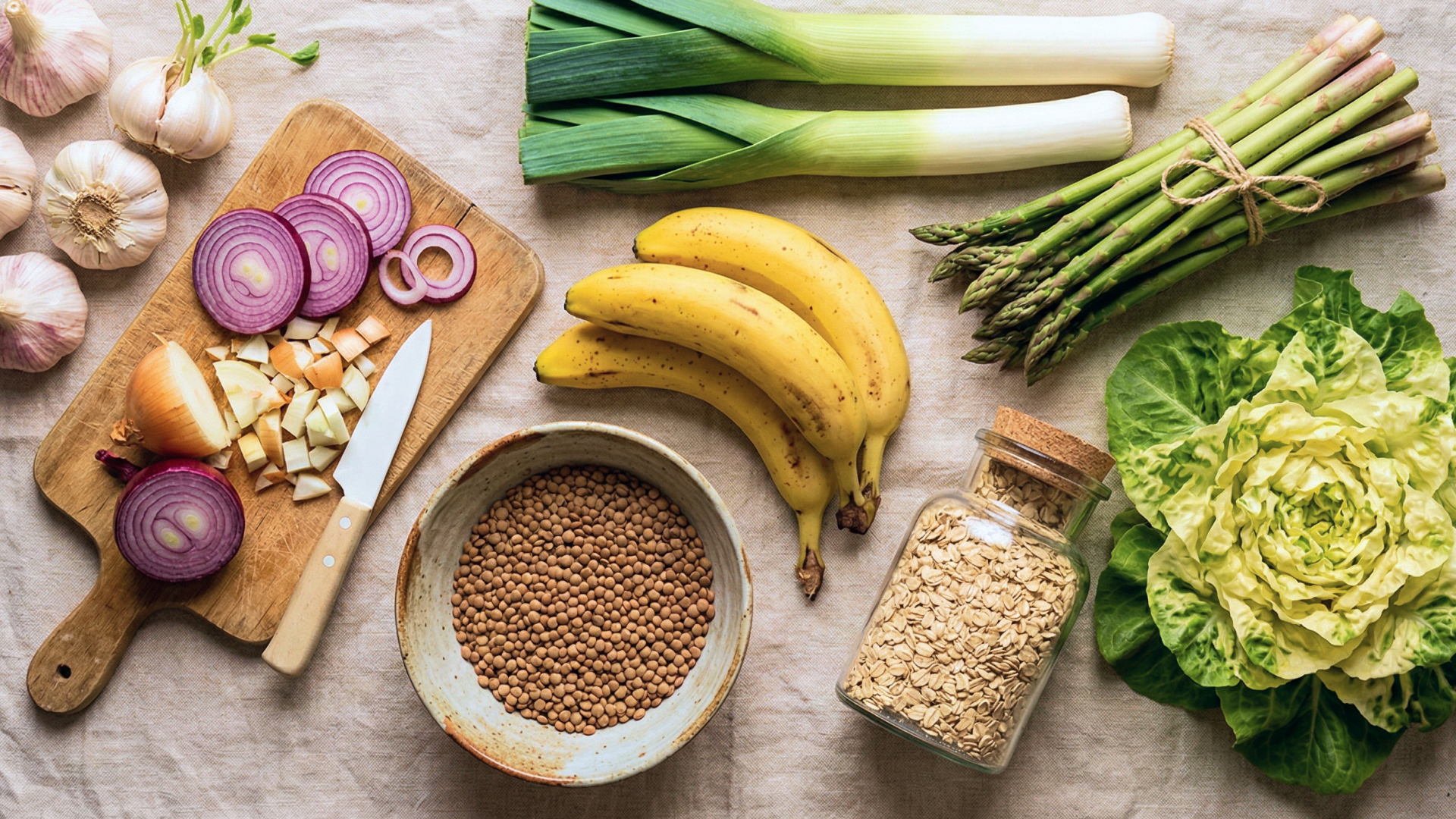

I want to start with something I tell almost every new client: we’re too wrapped up in fear when it comes to our health - stop stressing about cutting out all the "bad" stuff and feeling like you have to give up your favorite foods. Just focus on adding more and more good every day, and it will leave less room for the junk (you won’t even notice!).
It doesn’t just sound good in theory - it’s real advice that has worked for hundreds of clients based on years of working with people on their gut health. And it is where I want to begin, because most of what gets said about gut health in mainstream wellness spaces makes people feel overwhelmed before they even start.

How I Got Here
I built my clinical practice on a rigorous academic foundation. I earned my Certified Nutrition Specialist (CNS) credential through a Master's degree in Clinical Nutrition and Integrative Health, 1,000 hours of a supervised internship, and a standardized board exam. This pathway is similar to that of a traditional Registered Dietitian (RD) but includes a master's requirement and is taught from an integrative, functional lens from the start.
This gave me a deep foundational grounding in how the human body works, what happens when it doesn't, and how diet and lifestyle can powerfully shift physiology and biochemistry.
However, what truly shaped my practice was my own experience with chronic gut issues. Going through that taught me something the classroom doesn't always cover: the strengths and limitations of conventional care, and what it feels like to be in the patient’s seat. While I'm grateful for the diagnostics that helped identify parts of my health picture and pointed out chronic inflammation, I had to find other answers as to the WHY on my own through alternative care. I realized most people would be in the same position without someone in their corner who truly understood both worlds, and I needed to be the clinician I wished I’d had. I knew that caring for the human body is impossible without also caring for the heart and mind, and no part of us exists in isolation.
This understanding, combined with my personal health journey, is why I fell in love with functional medicine. It brought together my love for food and my desire to care for others' well-being.
Gut Health Shows Up Everywhere
Gut issues are almost always present with my clients - if not the primary goal of care, it is certainly connected to many of the matters they come to me for. Metabolic, hormonal, skin, and mental health concerns are all tied back to the shape of their gut. Clients with obvious gut issues often come complaining of constipation or diarrhea, frequent bloating, gas, stomach pain, or suspected food sensitivities.
You Literally Are What You Eat
One of the most useful things I tell clients is that their microbiome can change significantly in as little as 48 hours. Since there are more bacterial cells in our body than human cells, what you eat isn't just fuel; it literally shapes who you are at a cellular level.
I often use this analogy: your microbiome is like a business. If you treat your employees well, their productivity will pay incredible dividends. It may take extra effort, cost, and time, but the investment always pays off.
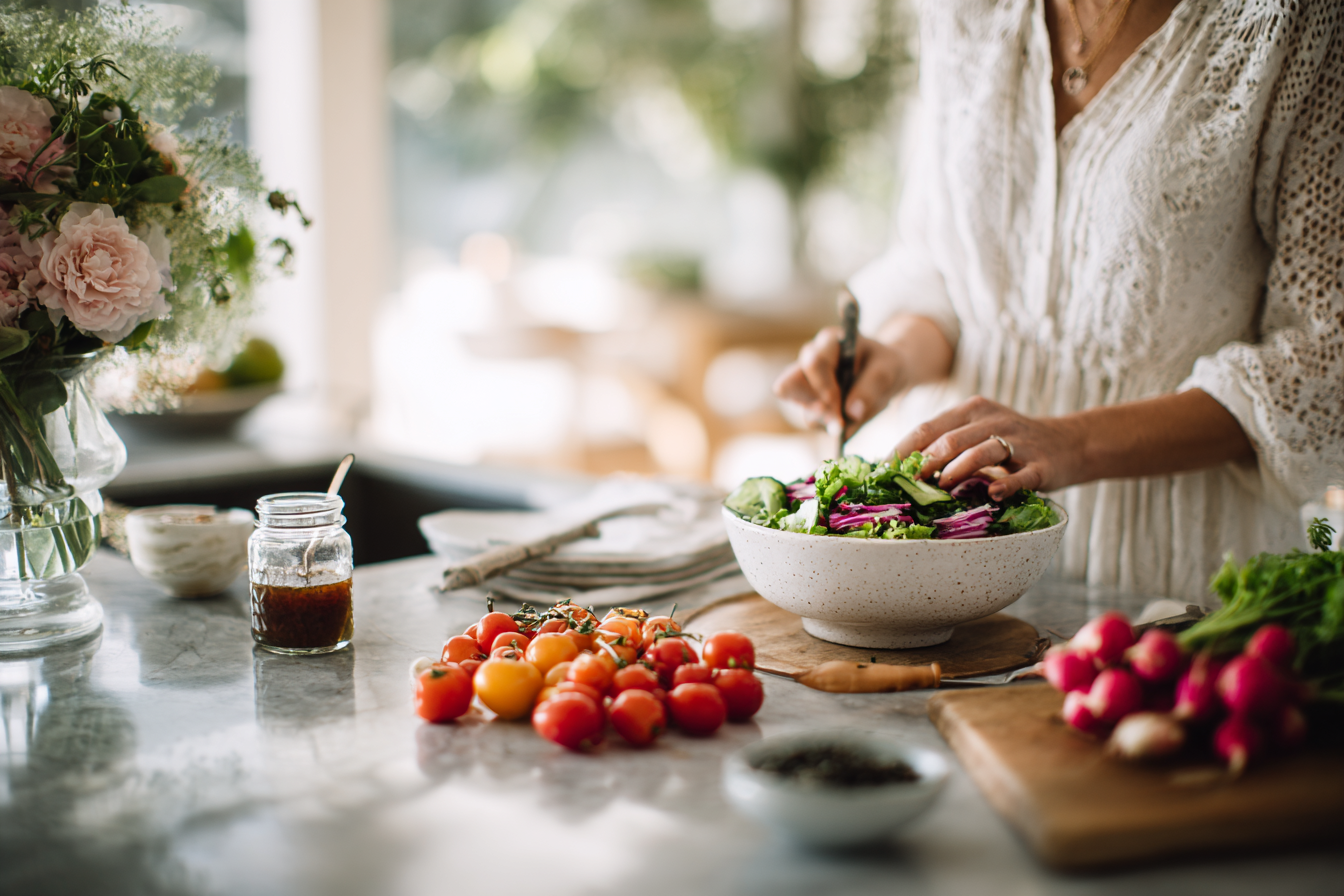
This framing is important because gut health isn't about perfection or restriction. It's about consistently choosing the right inputs the majority of the time, while making sure it’s enjoyable and sustainable for real life.
How I Assess Gut Health in Practice, and Where the Gaps Are
Clinically, I start with a GI MAP, a comprehensive microbiome analysis that covers bacteria, fungus, parasites, digestion, and inflammation. While it’s a thorough starting point, it has significant limitations. The test is expensive, often too costly to repeat, and results take about two weeks.
The truth is that most gut health testing makes it hard to measure progress in a way that keeps clients motivated, aside from symptom improvement. This challenge creates a real limitation in practice especially when positive physiological shifts are happening beneath the surface before symptoms noticeably improve, making it harder to keep clients motivated early on.
Why At-Home Tracking Changes the Equation
When I first learned about Coprata's MAT kit, two things stood out immediately. First, it is an at-home test that gives instant results without shipping anything to a lab. That alone removes a significant barrier. Second, the cost per test is considerably better to allow for frequency. Finally, it tracks stool pH, which I don't currently get from the GI MAP. Stool pH reflects the fermentation activity of gut bacteria and the overall gut environment, and having a way to monitor it regularly at home fills a gap that existing clinical tools do not address.
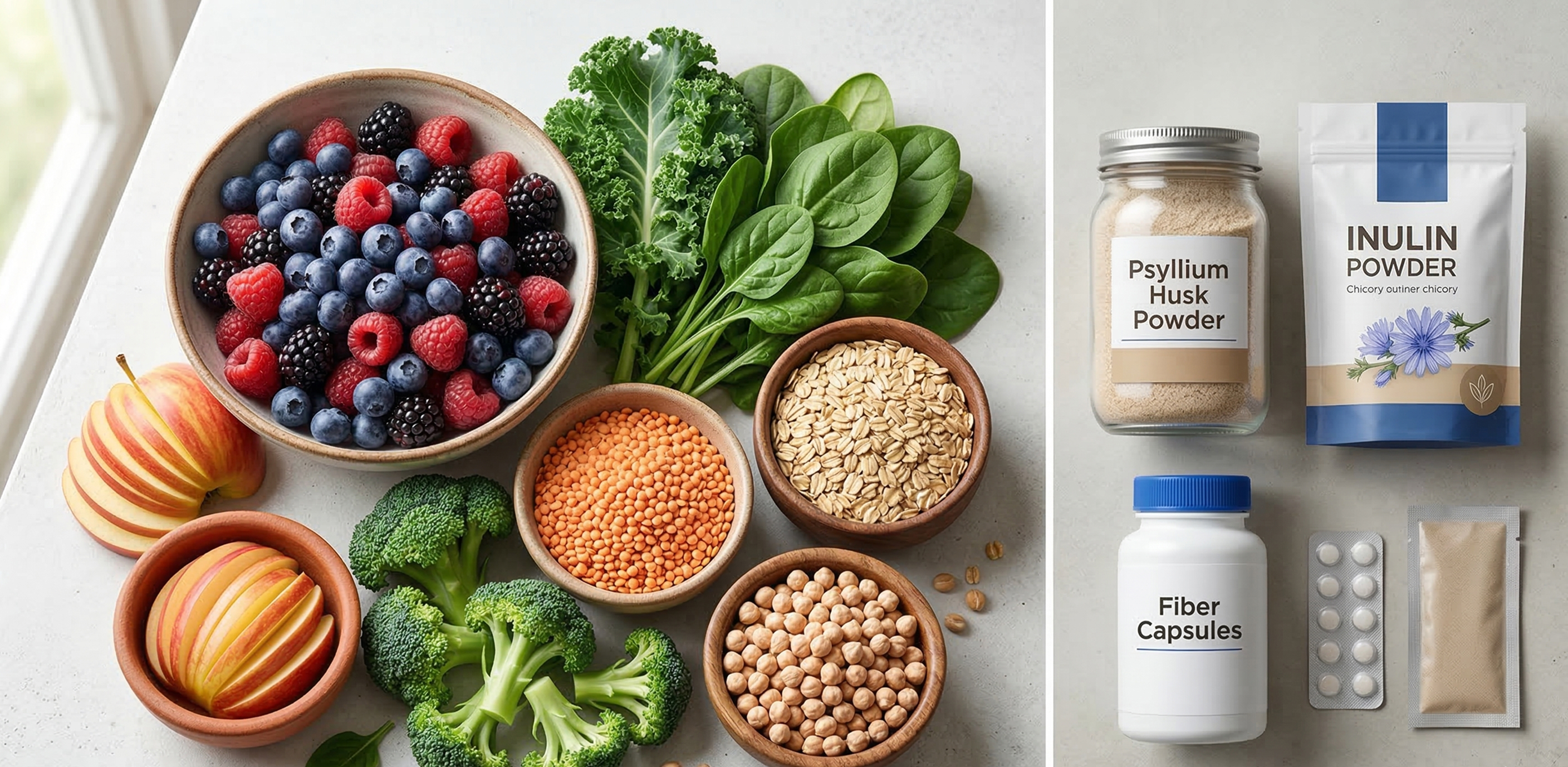
Tracking gut health over time solves a real need in my practice to keep clients encouraged that their daily food choices really produce measurable outcomes. I’ve partnered with Coprata to craft the MAT insights that educate people on how to add more fiber to their diet, which is one of the most important things we can do for preventative health.
I watch clients have absolutely drastic transformations and get their life back when they address their gut. I have also watched loved ones suffer from colon cancer, and wish they had had something like this to monitor changes early, before concerning symptoms appeared. Just as you might use a step tracker or sleep monitor, your gut is the very foundation of your health. Learning what habits help you thrive is worth the investment.
One More Thing
A good probiotic will not fix a poor diet. The foundation always comes back to what you are eating day to day, and whether you are consistently feeding the right kind of activity in your gut.
Start there. Add the good stuff. Gain the knowledge, build the systems, and the habits will stick over time. The byproducts of good microbes in your gut will contribute to your wellbeing, metabolism, hormones, nutrition status, and greatly influence mood and brain function.
Stevi Pennypacker is a Certified Nutrition Specialist (CNS) and functional nutritionist who works with clients virtually through her private practice. Learn more at slfunctionalnutrition.com.