

Soluble vs. Insoluble Fiber: What the Difference Means for Your Gut
Most people know they should eat more fiber, but fewer realize that not all fiber works the same way in the body. The difference between soluble and insoluble fiber is a key concept in gut health that’s often overlooked. Each type serves a unique role in digestion, microbiome support, and overall wellness. Striking the right balance can significantly improve daily gut function.
This guide explains what each type of fiber does, where to find it, and why focusing on variety (not just meeting a daily gram goal) is essential for supporting your microbiome.
Why Fiber Matters More Than Most People Realize
Dietary fiber is found only in plant-based foods and is unique because the human body cannot digest it. Instead, fiber passes through the digestive system largely intact, performing various functions based on its structure and solubility. It promotes bowel regularity and, most importantly, nourishes the trillions of bacteria in your gut microbiome and that helps stabilizing blood sugar, managing cholesterol, and reduce cardiovascular disease risk.
Despite its importance, most Americans consume far less fiber than recommended. Research shows that many adults eat only about half the daily recommended amount. The issue isn’t just about quantity; it’s also about variety. Understanding the two main types of fiber is a key first step to eating in a way that truly supports gut health.
What Is Soluble Fiber?
Soluble fiber dissolves in water, forming a gel-like substance in the digestive tract. This gel slows digestion, which helps regulate blood sugar spikes after meals. Soluble fiber is also known for lowering LDL cholesterol by binding to bile acids in the gut and removing them from the body.
Additionally, soluble fiber acts as a prebiotic, providing fuel for beneficial gut bacteria. As these bacteria ferment the fiber, they produce short-chain fatty acids (SCFAs) like butyrate. These SCFAs nourish colon cells, help regulate the immune system, and are linked to reduced inflammation.
Common food sources of soluble fiber include:
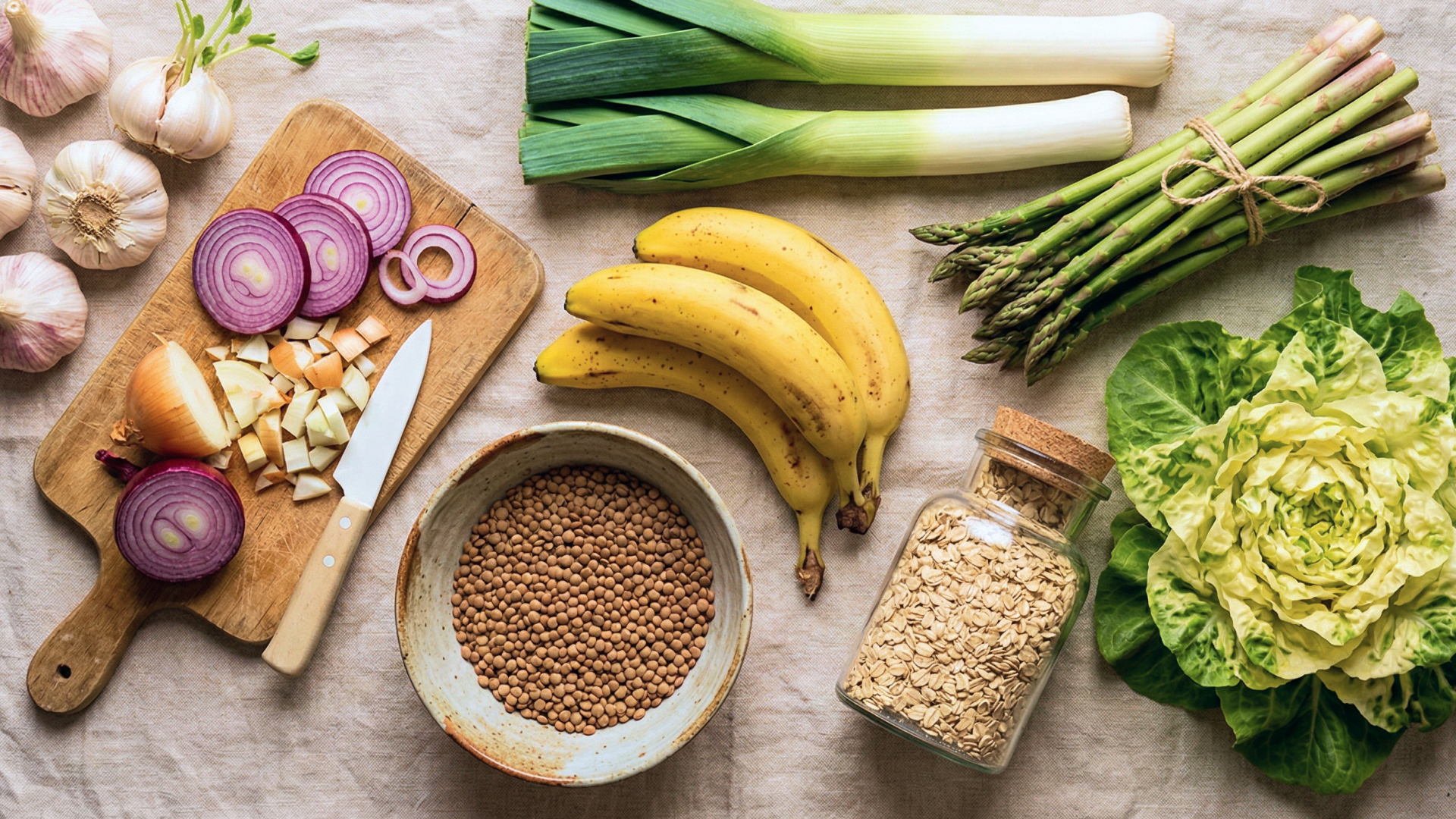
- Oats and oat bran
- Beans and lentils
- Apples, pears, and citrus fruits
- Carrots and sweet potatoes
- Psyllium husk
What Is Insoluble Fiber?
Insoluble fiber doesn’t dissolve in water or form a gel. Instead, it adds bulk to stool and helps move material through the digestive tract more efficiently. This type of fiber is closely linked to regularity, as it prevents constipation, supports healthy bowel movement, and reduces the time harmful substances stay in contact with the intestinal lining. While less fermentable than soluble fiber, insoluble fiber still promotes a healthy gut environment. Studies suggest it may lower the risk of colorectal cancer by diluting carcinogens in the colon and speeding their removal. It also helps maintain the gut lining’s structure and supports healthy digestive timing.
Common food sources of insoluble fiber include:
- Whole wheat bread, pasta, and bran
- Brown rice
- Leafy greens like kale and spinach
- Nuts and seeds
- The skins of most fruits and vegetables
Why Fiber Diversity Is the Real Goal
One of the most important insights from recent microbiome research is that different types of fiber feed different species of gut bacteria. A diet that relies on only one or two fiber sources may nourish a narrow part of your microbial community, even if the total gram count is high. This leaves other beneficial bacteria underfed, resulting in reduced microbial diversity, which is consistently linked to poorer gut and metabolic health.
To increase fiber diversity, you should eat a wide range of plant foods with different fiber structures; not just alternate between two kinds of cereal. Legumes, root vegetables, whole grains, fruits, and seeds each contain unique fiber compounds that support distinct microbial populations. The more variety you introduce, the more you expand your gut's ecosystem.
This is why dietary guidelines often recommend "eating the rainbow" and consuming 30 or more different plant foods each week. This number isn't arbitrary; it reflects the observed relationship between plant food variety and microbiome richness in large populations.
Practical Ways to Increase Both Types of Fiber
Boosting your fiber intake doesn’t mean overhauling your entire diet. Small, gradual changes are often more effective than sudden shifts, as a rapid increase in fiber can lead to bloating and discomfort while your gut microbiome adjusts. Gradually increasing fiber over a few weeks allows your gut bacteria to adapt smoothly. By making these manageable adjustments, you can gradually improve your fiber intake with minimal discomfort.
Here are some practical ways to incorporate both soluble and insoluble fiber into your meals:
- Start your day with a fiber-rich breakfast like oatmeal topped with fruit and seeds, which provides both fiber types.
- Replace refined grains with whole grains, such as whole wheat bread or brown rice, for added insoluble fiber.
- Add legumes (lentils, chickpeas, black beans) to three or four meals a week for a concentrated source of soluble fiber.
- Keep the skins on fruits and vegetables, as they are rich in insoluble fiber.
- Rotate a variety of plant-based foods rather than sticking to the same few options every week.
- Stay hydrated, as both fiber types work more effectively when your body gets enough water.
How Your Gut Responds to Fiber + How to Know If It Is Working
The impact of fiber on the gut isn’t always immediate and can vary widely from person to person. Two people following the same high-fiber diet might experience completely different microbiome changes, influenced by factors such as their baseline bacterial populations, digestive transit time, and the specific fiber types they consume. What feels like “enough fiber” based on general recommendations might not significantly influence your microbiome.
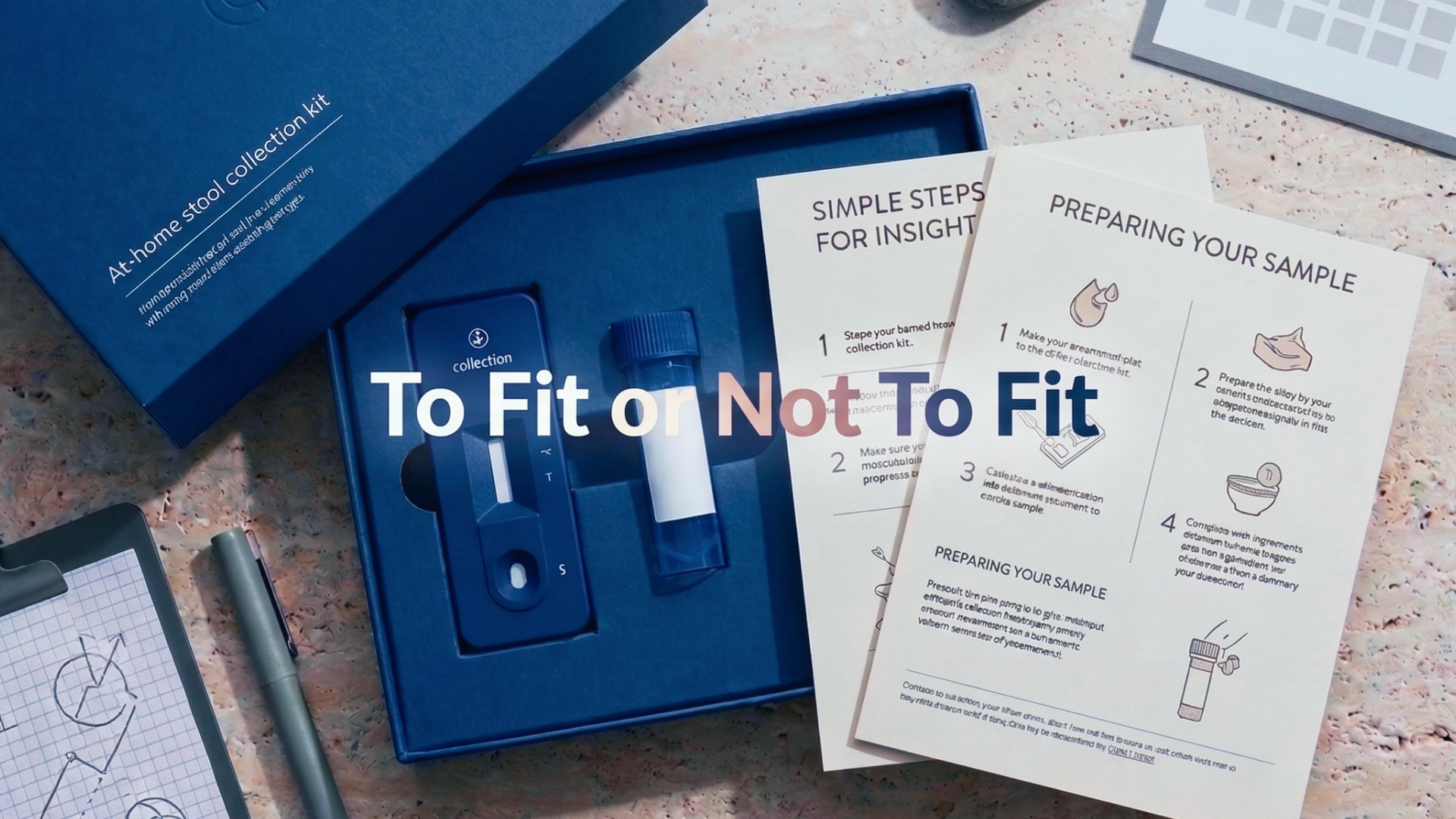
This is where microbiome testing becomes valuable. Instead of guessing whether your fiber intake is effective, tracking changes in your gut microbiome over time as you adjust your diet provides concrete data on your gut’s response. At Coprata, this kind of ongoing monitoring is exactly what the Microbiome Activity Tracker is designed to support. Understanding how your diet directly impacts your microbiome is key to precision gut health, and increasing fiber diversity is one of the most effective ways to create a healthier gut.
The Bottom Line
The question isn't about choosing soluble or insoluble fiber both are essential. It's best to consume them through a varied, whole-food diet rather than isolated supplements. The real goal is fiber diversity. Eating a wide range of plant foods provides your gut microbiome with a broad spectrum of fuel, which supports a rich bacterial community and promotes long-term health.
If you're curious about how your diet affects your gut microbiome, the best next step is to start tracking what's happening inside your gut, not just your fiber grams. This information can turn good intentions into real results.
Photo by Ana Azevedo on Unsplash