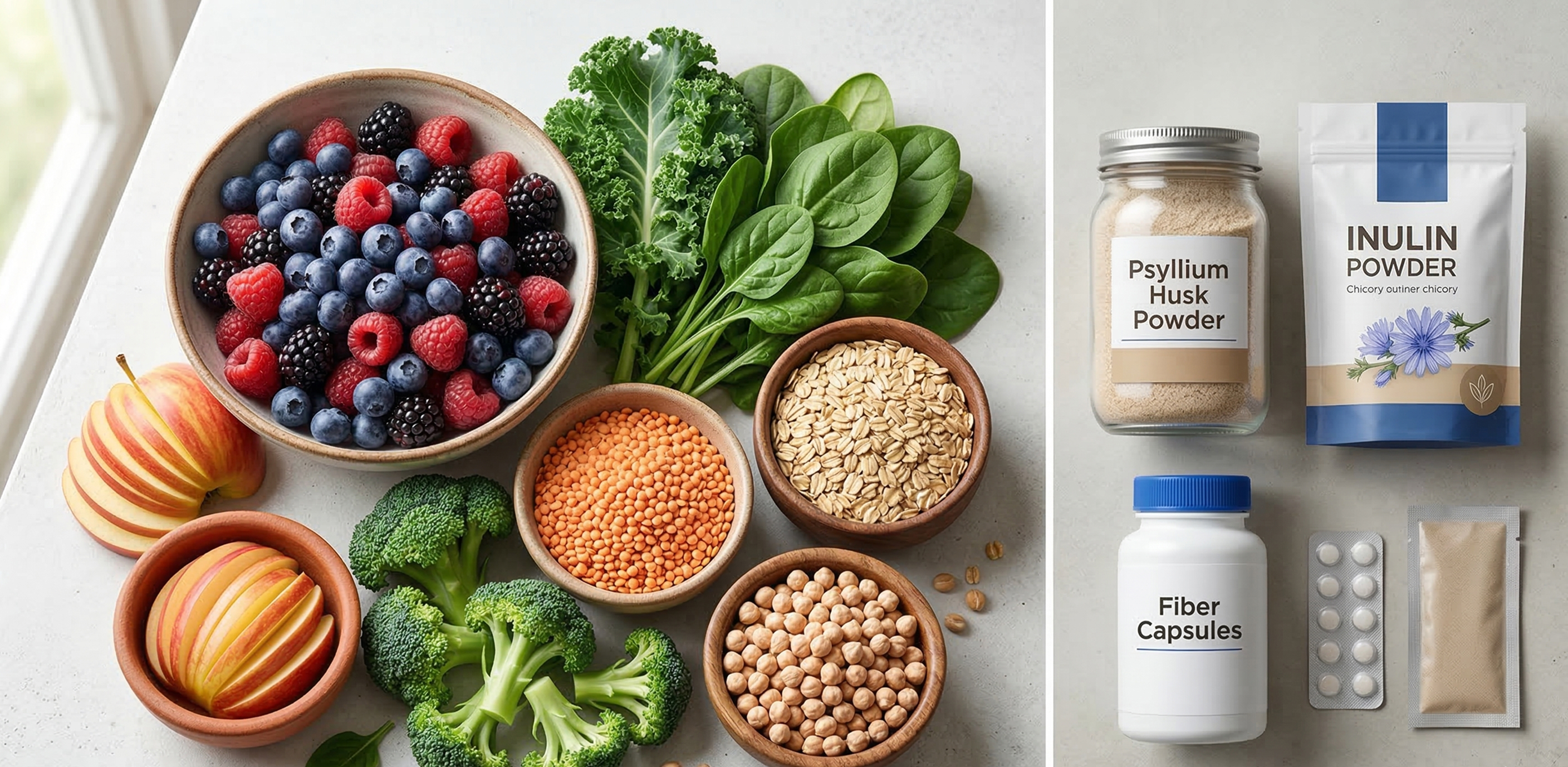

When most people think about how to improve gut health, the conversation goes to diet. Fiber, fermented foods, cutting out ultra-processed products. All of that matters. But there is a significant and often overlooked variable that the research keeps returning to: exercise intensity.
Not just whether you exercise. How hard you push.
What Short-Chain Fatty Acids Have to Do With It
To understand why exercise intensity affects gut health, we need to look at what scientists measure: short-chain fatty acids (SCFAs).
SCFAs are compounds produced when gut bacteria ferment dietary fiber. Essentially, they are the metabolic byproducts of a healthy, active microbiome and are key indicators of gut ecosystem function. The three main SCFAs are acetate, propionate, and butyrate, each with a distinct role:
- Butyrate: As the primary energy source for cells lining the colon, it supports the gut barrier, reduces inflammation, and may protect against colorectal cancer.
- Propionate: This travels to the liver, where it helps regulate glucose production and cholesterol metabolism.
- Acetate: This circulates throughout the body, contributing to immune regulation and appetite signals.
Higher concentrations of SCFAs in stool samples are a reliable marker of a well-functioning gut microbiome. The studies discussed below measured these compounds to determine how exercise impacts gut health, and their findings reveal a consistent pattern across different populations.
If You Are Sedentary or Short on Time
A 2025 pooled analysis by Reljic and colleagues, published in Gut Microbes, addressed a common question: can low-volume exercise, the kind that fits into a busy schedule, actually improve gut microbial activity?
The study followed participants over 12 weeks. One group completed two 35-minute high-intensity sessions per week, reaching 90-95% of their maximum heart rate. A second group exercised at a moderate intensity, while a control group only restricted calories without structured exercise.
Both the moderate and high-intensity exercise groups improved their physical fitness, reduced inflammation, and supported cardiometabolic health. However, only the high-intensity group showed a significant increase in fecal short-chain fatty acid (SCFA) levels. The caloric-restriction group saw no meaningful improvement in SCFAs or metabolic health.
This last finding is significant. Cutting calories without exercising did not affect gut microbial output. Exercise did, but the intensity was the deciding factor. It appears that getting the heart rate into the 90-95% range, even in short sessions twice a week, is what triggers a response from the gut microbiome.
If You Currently Have a Moderate Activity Level
A widely cited 2018 study by Allen and colleagues, published in Medicine and Science in Sports and Exercise, discovered that moderate-intensity aerobic training led to an increase in fecal short-chain fatty acid (SCFA) levels. This response, however, was not uniform; the degree to which individuals benefited varied depending on their initial metabolic state.
The most crucial insight from this research isn't merely about identifying who responds better than others. Rather, it's the fundamental confirmation that the gut microbiome is genuinely responsive to aerobic exercise.
This isn't just a fleeting, temporary shift but a reflection of tangible changes within the microbial community itself. Just as significantly, the study observed that these benefits were reversed once the exercise regimen was stopped. This finding is perhaps the most actionable: the gut microbiome seems to closely mirror our exercise habits, rewarding consistent effort and receding when that effort wanes.
This suggests that we should view the gut not as a fixed, unchangeable state but as a dynamic, highly adaptable system. Your regular habits, particularly your exercise routine, shape its composition and function in a meaningful and measurable way.
If You Are an Athlete
You might think elite athletes have already optimized their gut health, but a 2025 study on highly trained rowers shows this isn't necessarily true.
The study, published by Charlesson and colleagues in the Journal of the International Society of Sports Nutrition, found that even among elite athletes, training intensity significantly impacts the gut microbiome. High-load sessions, combining both high intensity and duration, produced different gut outcomes than low-load recovery sessions. Specifically, researchers observed higher concentrations of total short-chain fatty acids (SCFAs), including butyrate and propionate, during intense training. These periods also correlated with more frequent bowel movements and greater activity from bacteria involved in lactate metabolism.
The researchers suggest that this bacteria-driven lactate metabolism and the resulting gut pH modulation likely affect athletic performance. This indicates that gut health is not just a byproduct of athletic training but may also be a contributing factor to performance. The study demonstrates that training load shapes the microbiome, with recovery periods showing a measurable shift in microbial activity.
What This Means in Practice
Across all 3 populations (sedentary individuals, active people, and elite athletes) a consistent pattern emerged: exercise improves gut microbial output, and intensity matters more than duration. For sedentary individuals, two short, intense sessions per week made a significant difference where caloric restriction alone did not. For active people, consistent moderate cardio supported microbial activity, which closely tracked their habits over time. In elite athletes, gut microbiome variation was directly tied to their training intensity.
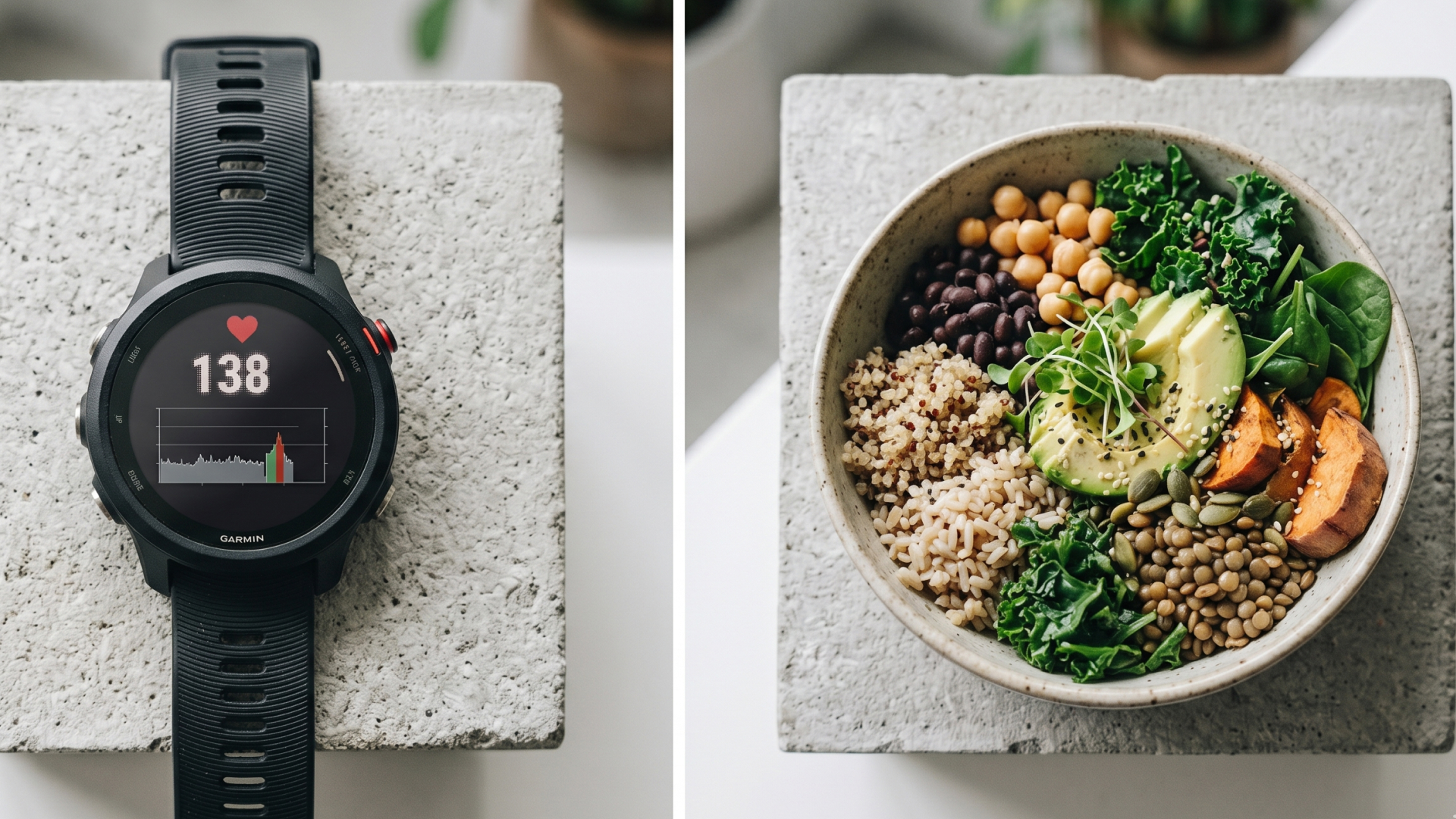
The takeaway is straightforward: to improve your gut health, add high-intensity effort to your routine. This could be interval training, hard cycling, or simply pushing your cardiovascular effort toward 90-95% of your maximum heart rate during workouts. A heart rate monitor can be a valuable tool to ensure you're reaching the intensity needed to positively affect your gut microbiome.
Ultimately, diet and exercise work in tandem. A high-fiber, plant-diverse diet feeds the microbiome, while high-intensity exercise activates it.
References
Charlesson B, Jones J, Abbiss C, Peeling P, Watts S, Christophersen CT. Training load influences gut microbiome of highly trained rowing athletes. J Int Soc Sports Nutr. 2025;22(1):2507952. https://doi.org/10.1080/15502783.2025.2507952
Reljic D, Hermann HJ, Dieterich W, Neurath MF, Zopf Y. Exercise improves gut microbial metabolites in an intensity-dependent manner: a pooled analysis of randomized controlled trials. Gut Microbes. 2025;17(1):2579354. https://doi.org/10.1080/19490976.2025.2579354
Allen JM, Mailing LJ, Niemiro GM, Moore R, Cook MD, White BA, Holscher HD, Woods JA. Exercise alters gut microbiota composition and function in lean and obese humans. Med Sci Sports Exerc. 2018;50:747–757. https://doi.org/10.1249/MSS.0000000000001495