
When a family member recently finished a course of doxycycline for a minor procedure, the question that followed was immediate and completely predictable: should I be taking probiotics to protect my gut?
It is one of the most common questions in gut health. And the intuition behind it makes complete sense. Antibiotics are powerful, they affect the gut, and probiotics are supposed to be good for the gut. So taking them together, or using them to recover afterward, seems logical. The problem is that the research does not quite support that logic, at least not in the way most people assume.
First: Antibiotics Are Not the Enemy
Before discussing the effects of probiotics, it's important to state that antibiotics are one of the most significant medical advances in history. When a doctor prescribes antibiotics, you should take them. This post is not intended to create hesitation about necessary medical treatment. Instead, it aims to provide an accurate picture of what happens to the gut microbiome during and after antibiotic use, and what the evidence shows about recovery.
What Antibiotics Actually Do to the Gut
Antibiotics are designed to target bacteria, but they aren't precise. The gut microbiome is a complex ecosystem with hundreds of bacterial species, and broad-spectrum antibiotics, in particular, can affect a wide range of them; including the beneficial ones that aid digestion, regulate the immune system, and maintain gut lining integrity.
Studies confirm that antibiotic treatment reduces microbial diversity, which can create an opportunity for harmful bacteria to thrive. The significance of this disruption varies depending on the antibiotic used, treatment duration, dosage, and the individual's existing microbiome. For most people taking a short course of a targeted antibiotic, this disruption is temporary, and the gut usually recovers. However, this recovery process is where the role of probiotics becomes relevant.
The Intuitive Case for Probiotics
If good bacteria are being depleted, adding more good bacteria back in seems like the obvious solution. Fermented foods, yogurt, and probiotic supplements all contain live bacterial strains that have documented benefits in other contexts: reducing inflammation, supporting immune function, improving certain digestive symptoms. The reasoning appears airtight.
The research tells a more complicated story.
What the Evidence Actually Shows
A 2023 systematic review and meta-analysis in BMC Medicine investigated whether taking probiotics during antibiotic treatment helps maintain gut microbiome diversity. The conclusion was that it does not. The review found that microbial diversity did not recover significantly better or faster in people taking probiotics compared to a placebo. In some cases, probiotics even appeared to slow the gut's natural recovery process.
However, the outlook isn't entirely negative. A separate 2021 study in Nutrients discovered that a specific probiotic strain, Bifidobacterium animalis subsp. lactis BB-12, did protect against some antibiotic-induced changes in the gut. This suggests that certain probiotics can offer targeted benefits in specific doses, with more consistent evidence for preventing diarrhea and reducing inflammation than for restoring diversity.
In summary, probiotic supplementation is not a reliable strategy for restoring overall microbiome diversity after antibiotic use. While it may help with certain symptoms, the idea that simply eating yogurt or taking a supplement can completely counteract the impact of antibiotics on gut diversity is not well-supported by current research.
What Actually Helps the Gut Recover
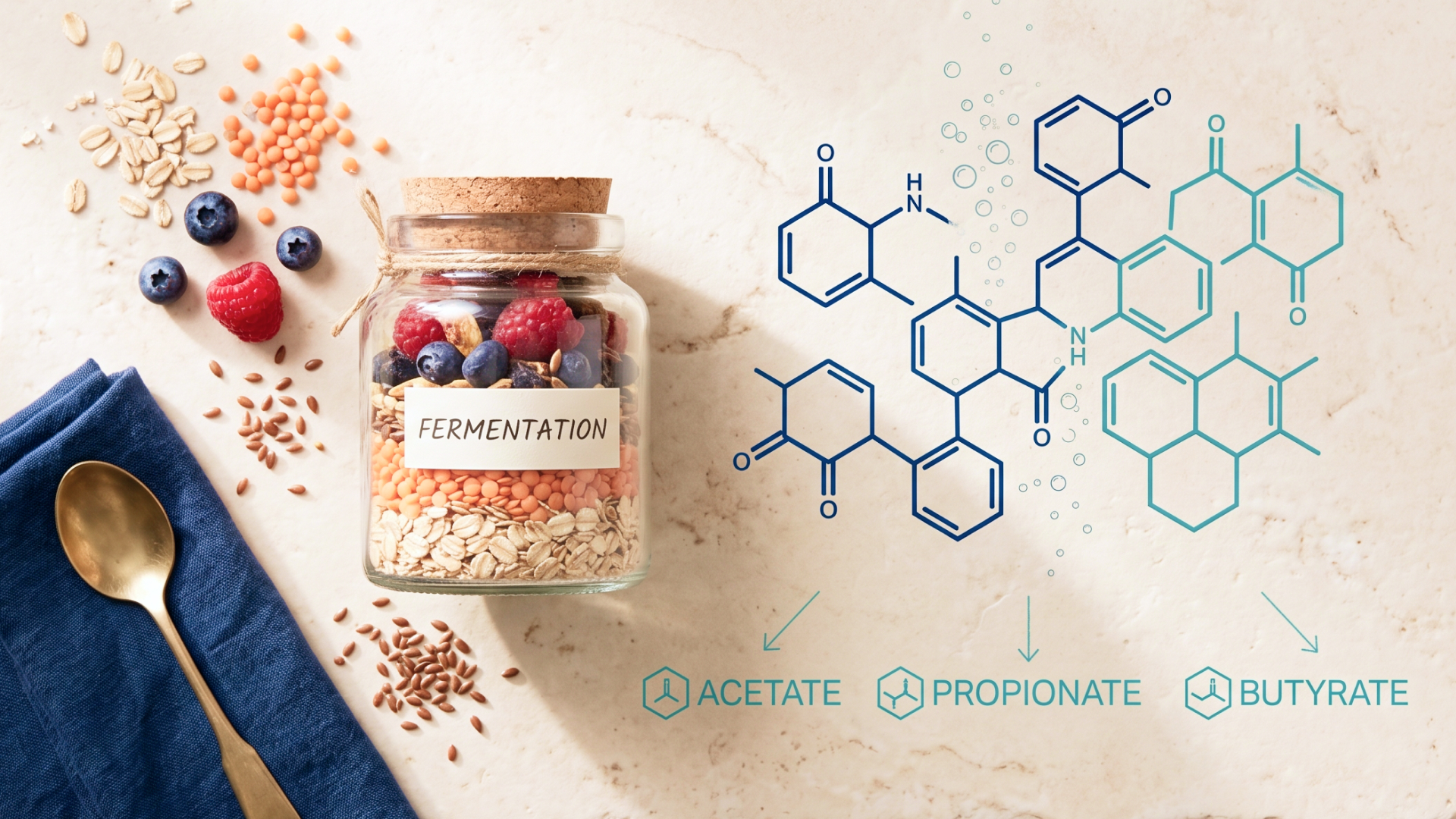
Evidence consistently points toward diet as the more meaningful driver of microbiome recovery after a course of antibiotics. To support your gut during and after treatment, it's beneficial to maintain a high-fiber diet. This approach helps sustain the bacterial populations responsible for fermenting fiber and producing short-chain fatty acids. These fatty acids are crucial, as they in turn nourish and support the gut lining and help reduce inflammation.
Additionally, incorporating fermented foods can be highly beneficial. Items like plain yogurt, kefir, kimchi, and sauerkraut provide a diverse range of bacterial strains, contributing to the gut environment in complex ways that go beyond what a single-strain supplement can deliver.
The other significant factor in recovery is simply time. For most individuals who undergo a short antibiotic course, the gut microbiome typically returns to something close to its prior state within a few weeks. This is particularly true for people who were already eating a diverse, plant-rich diet beforehand. The baseline truly matters; a microbiome that is already diverse and resilient will recover more readily than one that was already low in diversity before the treatment even began.

Let’s Summarize
Probiotics are not useless. In specific situations and with specific strains, they offer real benefits. But as a strategy for recovering microbiome diversity after a course of antibiotics, the evidence does not support the conventional wisdom. The more reliable approach is the less exciting one: continue eating a high-fiber, plant-diverse diet, include fermented foods, finish the prescribed antibiotic course, and give the gut time to do what it is well-equipped to do on its own.
References
Éliás A, Barna V, Patoni C, et al. Probiotic supplementation during antibiotic treatment is unjustified in maintaining the gut microbiome diversity: a systematic review and meta-analysis. BMC Medicine. 2023;21. https://doi.org/10.1186/s12916-023-02961-0
Merenstein D, Fraser C, Roberts R, et al. Bifidobacterium animalis subsp. lactis BB-12 Protects against Antibiotic-Induced Functional and Compositional Changes in Human Fecal Microbiome. Nutrients. 2021;13. https://doi.org/10.3390/nu13082814