
Coprata is proud to support the FIBER-IMPACT study, a landmark research collaboration led by Nestlé Health Science in partnership with the Cleveland Clinic and UC Irvine. This 16-week longitudinal study will investigate how dietary fiber shapes the gut microbiome and influences long-term health.
Why Longitudinal Research Matters for Gut Health
The human gut microbiome is remarkably complex and as unique as a fingerprint. Shaped by genetics, diet, and lifestyle, this individuality makes it difficult for researchers to establish clear cause-and-effect relationships. While cross-sectional studies provide snapshots of different people, they often struggle to account for the "noise" of person-to-person variability.
Longitudinal studies offer a solution by tracking the same individuals over time. This allows researchers to use each participant as their own control, filtering out confounding factors to better understand causation. Despite their value, only about 4% of the 10,000 gut microbiome articles published annually use longitudinal methods, primarily because they are exceptionally difficult to execute.
The FIBER-IMPACT Study: A New Model for Real-World Gut Microbiome Research
The FIBER-IMPACT study will observe 60 healthy adults and their households over a 16-week period. Participants will add chia seeds (a high-fiber food) to their diets, provide stool and blood samples, complete daily dietary and stress surveys, and submit meal photos. The study aims to examine how dietary fiber influences gut microbial activity, assess the impact of stress on gut health, identify key biomarkers, and explore the connection between microbiome composition and overall wellness in real-world settings.
The study is led by Dr. Jason Goldsmith, Medical and Science Officer of Live Microbiome Therapeutics at Nestlé Health Science. Collaborators include Dr. Thaddeus Stappenbeck, Chair of Inflammation and Immunity at Cleveland Clinic, whose research focuses on the causes of inflammatory and infectious diseases, and Dr. Katrine Whiteson, co-Director of the UCI Microbiome Initiative at UC Irvine, who specializes in human microbial communities and the effects of dietary fiber.
Dr. Whiteson highlighted the importance of studying fiber in everyday life:
“Our research demonstrates fiber’s significant role in the microbiome. People want to take charge of their health, and this collaboration allows us to see the impact of an easy, practical dietary change.”
Solving the Participation Problem in Gut Health Research
Longitudinal gut microbiome studies are challenging not because of the science, but because traditional stool sample collection is inconvenient and unreliable. This leads to poor participant compliance, incomplete data, and compromised research quality. When participants drop out, the continuity essential for longitudinal research is lost.
Coprata’s proprietary technology solves this problem. Our stool sampling tools and digital tracking systems make collection convenient and hygienic for participants, ensuring reliable, high-quality samples for researchers. By reducing the participant burden, we enable the sustained engagement required for long-term studies.
Dr. Sonia Grego, Coprata’s Founder and CEO, explains:
“Coprata’s technology lets participants collect samples conveniently and hygienically, making research participation easier and more comfortable. This isn’t just about convenience, it’s about enabling the kind of rigorous, long-term research that can genuinely advance our understanding of gut health.”
What This Partnership Means for the Future of Gut Health Research
Coprata was founded on the belief that data from human waste can help people make healthier choices. Our team, led by Duke University engineering faculty, has spent years developing technology to make gut health monitoring more accessible, initially for research and eventually for everyday wellness.
This collaboration with Nestlé Health Science, Cleveland Clinic, and UC Irvine validates our work and its potential for significant scientific advances. The FIBER-IMPACT study shows that better tools enable better research that could ultimately help millions improve their gut health.
We’re honored to work with these exceptional partners and look forward to making discoveries that could reshape our understanding of diet, the gut microbiome, and long-term health.
Fiber: A Powerful and Overlooked Nutrient
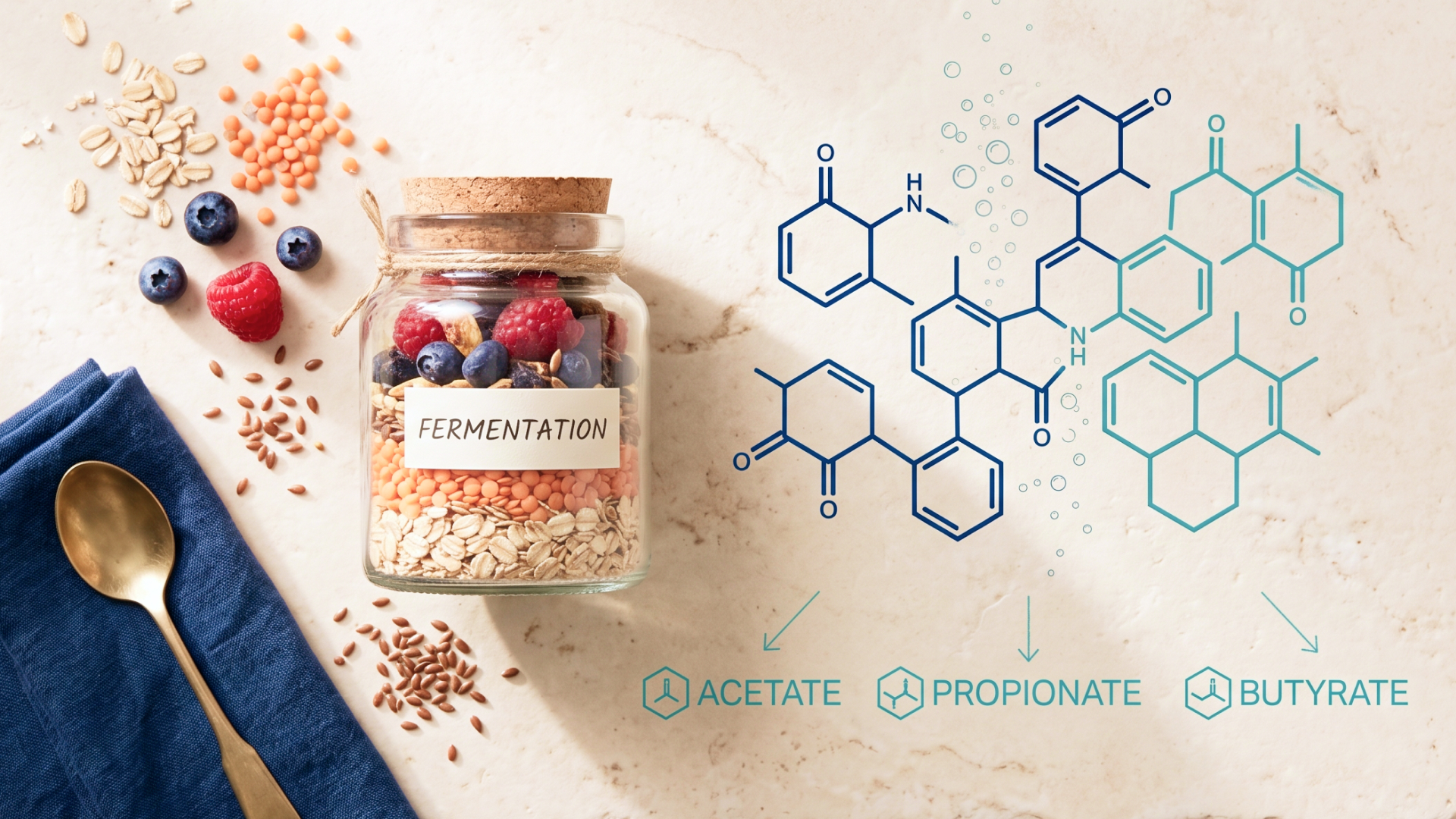
The FIBER-IMPACT study highlights dietary fiber as the primary fuel for beneficial gut bacteria, which produce compounds essential for overall wellness. While fiber is linked to improved digestion, blood sugar regulation, and heart health, most Americans consume only half the recommended daily amount.
The study will enroll 60 healthy adults to supplement their diets with chia seeds. Participants will provide stool and blood samples, complete surveys, and submit meal photos. Researchers aim to evaluate how fiber affects gut bacteria, assess stress impacts, and explore links between the microbiome and wellness.
Dr. Katrine Whiteson of UC Irvine noted:
“People want to take control of their health, and this collaboration lets us see the impact of a very doable intervention in everyday life.”
By tracking chia seed supplementation over 16 weeks, the study aims to show how fiber influences microbial communities and health markers. This research could help establish clearer fiber guidelines and provide a foundation for personalized dietary recommendations.
Stay Connected With Us
To learn more about Coprata’s research technology and published work on gut health monitoring, visit our Science or our research hub at Duke University. Coprata is a health technology company advancing gut health monitoring through innovative research and personalized wellness solutions. Founded by Duke University engineering faculty, Coprata develops science-backed tools for advanced analytical health information. The company’s portfolio includes user-friendly stool collection tools, a rapid at-home gut health test, and Smart Toilet technology for real-time data collection. Learn more at coprata.com.