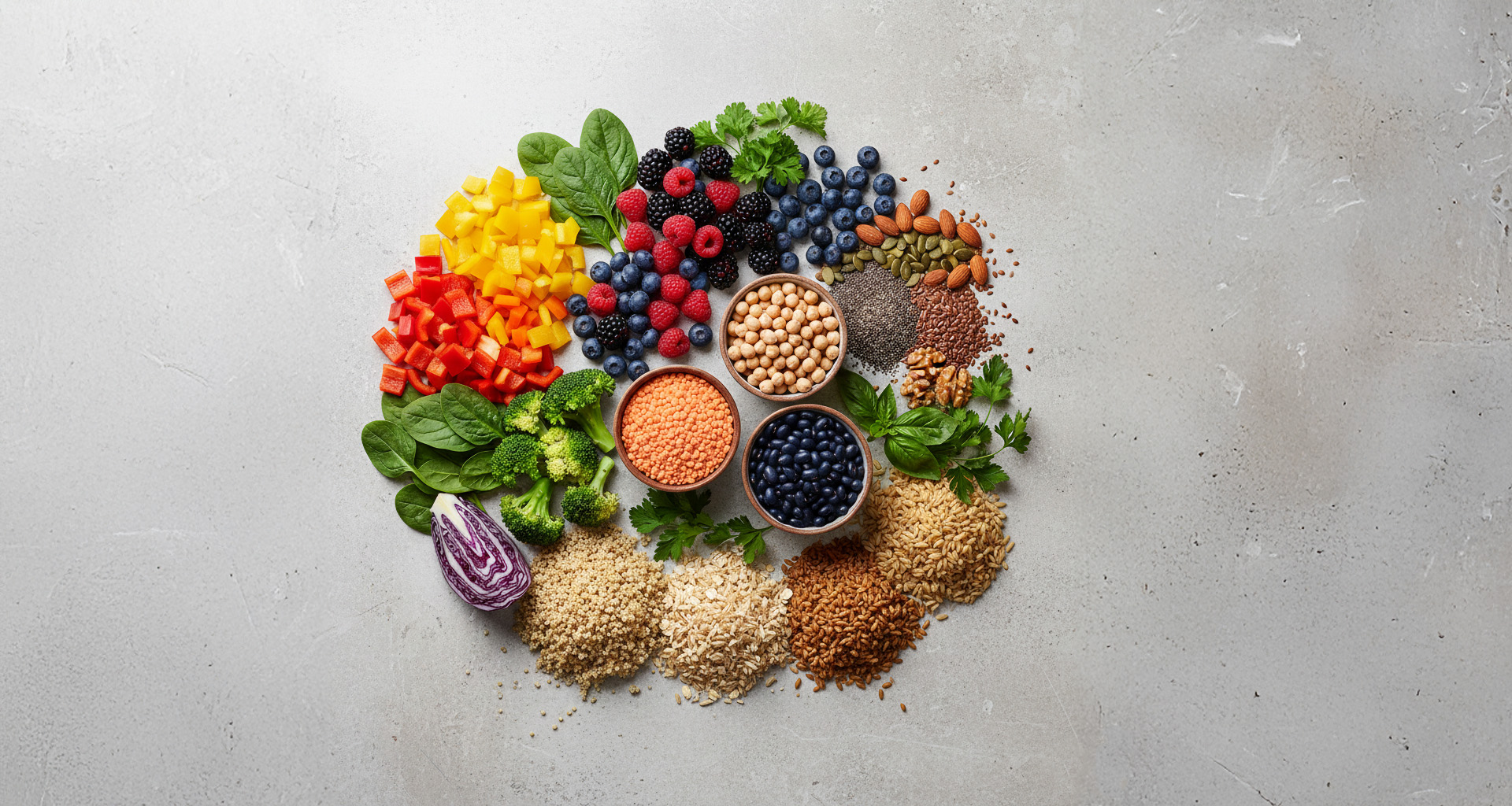

Long before anyone had heard of an amino acid, people across the world had already figured out how to build a nourishing plate. Rice and beans in Latin America. Lentils and rice across South Asia. Hummus with whole wheat pita in the Middle East. Corn and beans throughout Indigenous American cuisines. Pasta e fagioli in Italy. These pairings were not coincidental. They appeared independently across cultures with no contact with one another, which tends to indicate something real is happening beneath the surface.
Modern nutrition science has since confirmed what these traditions already understood: grains and legumes complement each other in ways that support both human health and the gut microbiome.
Why the pairing works
Protein is built from nine amino acids our bodies cannot produce on their own. Most plant foods contain all nine, but not always in useful proportions. Whole grains tend to be low in lysine; legumes tend to be low in methionine. Eaten together, each fills the gap the other leaves, producing a more complete amino acid profile than either provides alone.
The question "where do you get your protein?" has followed vegetarians and vegans for decades because it assumes protein must come from a single source. Traditional grain and legume pairings have always proven otherwise.
The benefit goes beyond protein
Whole grains and legumes are also rich in dietary fiber, which feeds your gut microbiome. As gut bacteria ferment that fiber, they produce short-chain fatty acids, compounds that support gut health, metabolic function, and immune regulation. A plate of rice and beans delivers complete protein and feeds the microbes that keep your system running.
Compare that to a plate built around meat alone: protein and fat, with little for the microbiome to work with. Rice and beans deliver both protein and fiber in one dish a combination traditional cooking landed on long before anyone could explain why it worked.Wisdom before the lab
Traditional food cultures figured out sound nutrition long before science could explain it.
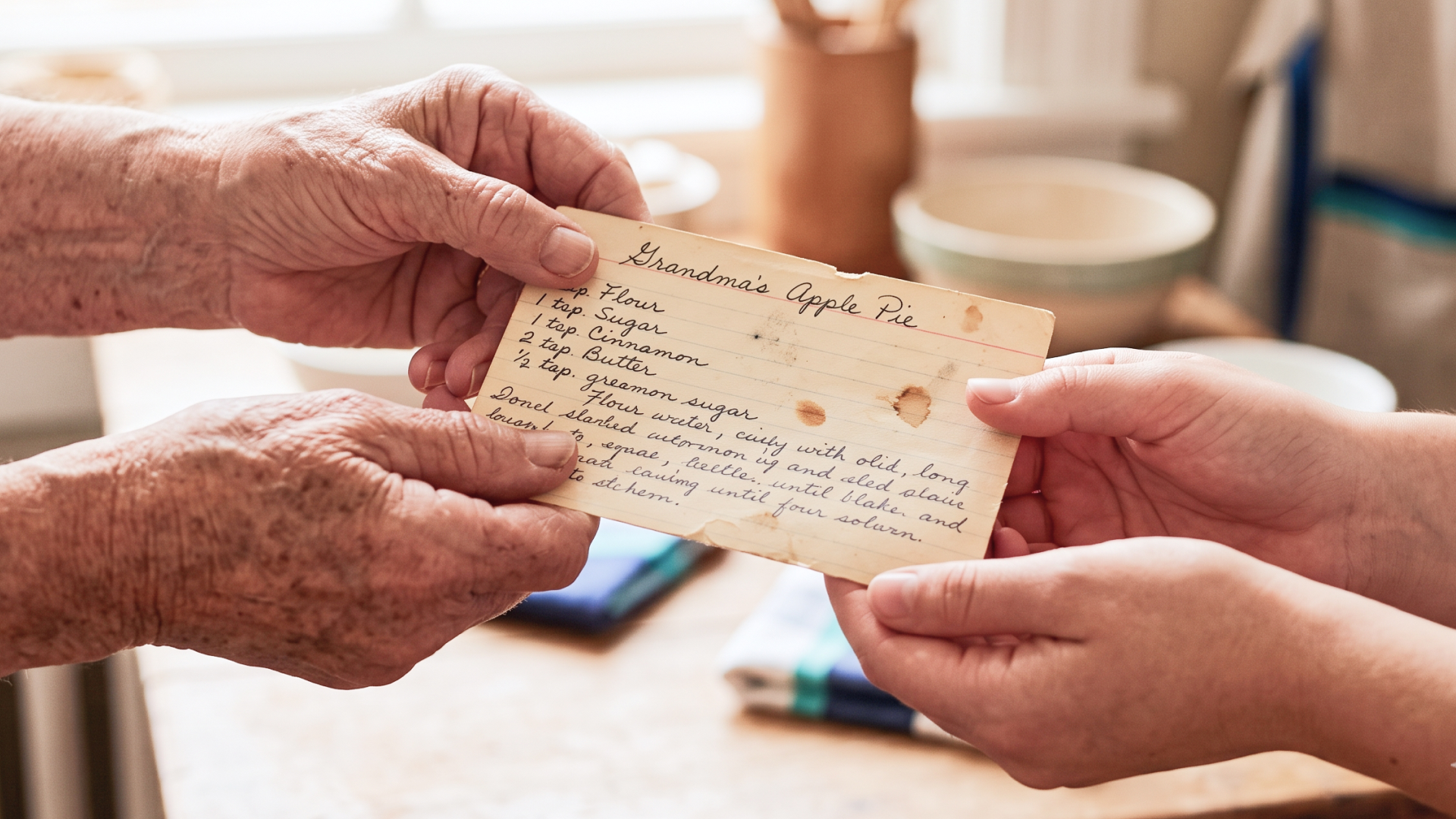
Kitchen wisdom passed down through generations (built on observation and necessity, not textbooks) landed on combinations that work. The grain and legume pairing is proof: some of the healthiest foods are also among the oldest, discovered by people who had no choice but to get it right. From black beans and brown rice to lentil dal with flatbread, these classic pairings are the easiest way to support your body and your gut.
Your microbiome thrives on diversity, and grain-legume combinations are a time-tested way to deliver exactly what it needs.
References
Han F. et al. The Complementarity of Amino Acids in Cooked Pulse/Cereal Blends. Foods. 2021.
Mariotti F, Gardner CD. Dietary Protein and Amino Acids in Vegetarian Diets: A Review. Nutrients. 2019;11(11):2661.
Food and Agriculture Organization. Dietary Protein Quality Evaluation in Human Nutrition. fao.org/4/i3124e/i3124e.pdf