

Most conversations about fiber start and end with a number:
25 to 38 grams per day. But if you've thought about gut health, you know this target misses what actually matters. The goal isn't just to hit a gram count; it's to feed the living ecosystem in your gut. That ecosystem has specific needs that a single daily number can't capture. To see why the foods you choose matter as much as the quantity, it helps to know what fiber does in your digestive tract.
What Fiber Does in Your Body
Fiber is the part of a plant your body can't digest. It travels through your stomach and small intestine mostly intact. When it reaches the large intestine (your colon), the trillions of bacteria that make up your gut microbiome begin to ferment it.
This fermentation process is one of the main ways food influences your health. As gut bacteria break down fiber, they produce short-chain fatty acids (SCFAs), including butyrate, acetate, and propionate. Butyrate is the main fuel for the cells lining your colon, where it reduces inflammation and strengthens the gut barrier. Other SCFAs influence appetite, blood sugar, and even mood through the gut-brain axis.
Not all fiber is fermented equally, however, and this is where the distinction between fiber types becomes important.
Soluble vs. Insoluble Fiber: What the Difference Means in Practice
Fiber is categorized as either soluble or insoluble. Soluble fiber dissolves in water, creating a gel in the digestive tract that slows digestion and stabilizes blood sugar. It's the primary type of fiber that gut bacteria ferment to produce short-chain fatty acids. Insoluble fiber does not dissolve in water; it adds bulk to stool, which helps regulate bowel movements and reduces the contact time of harmful substances with the intestinal wall.
A healthy diet requires both. Relying too heavily on one type can compromise your microbiome and digestive function. While supplements can provide a high dose of a single fiber type, whole plant foods contain a mix of both, along with vitamins, minerals, and other compounds that support gut health in ways supplements can't. This is why whole foods are consistently more effective in research studies.
The Best Fiber Foods
Legumes
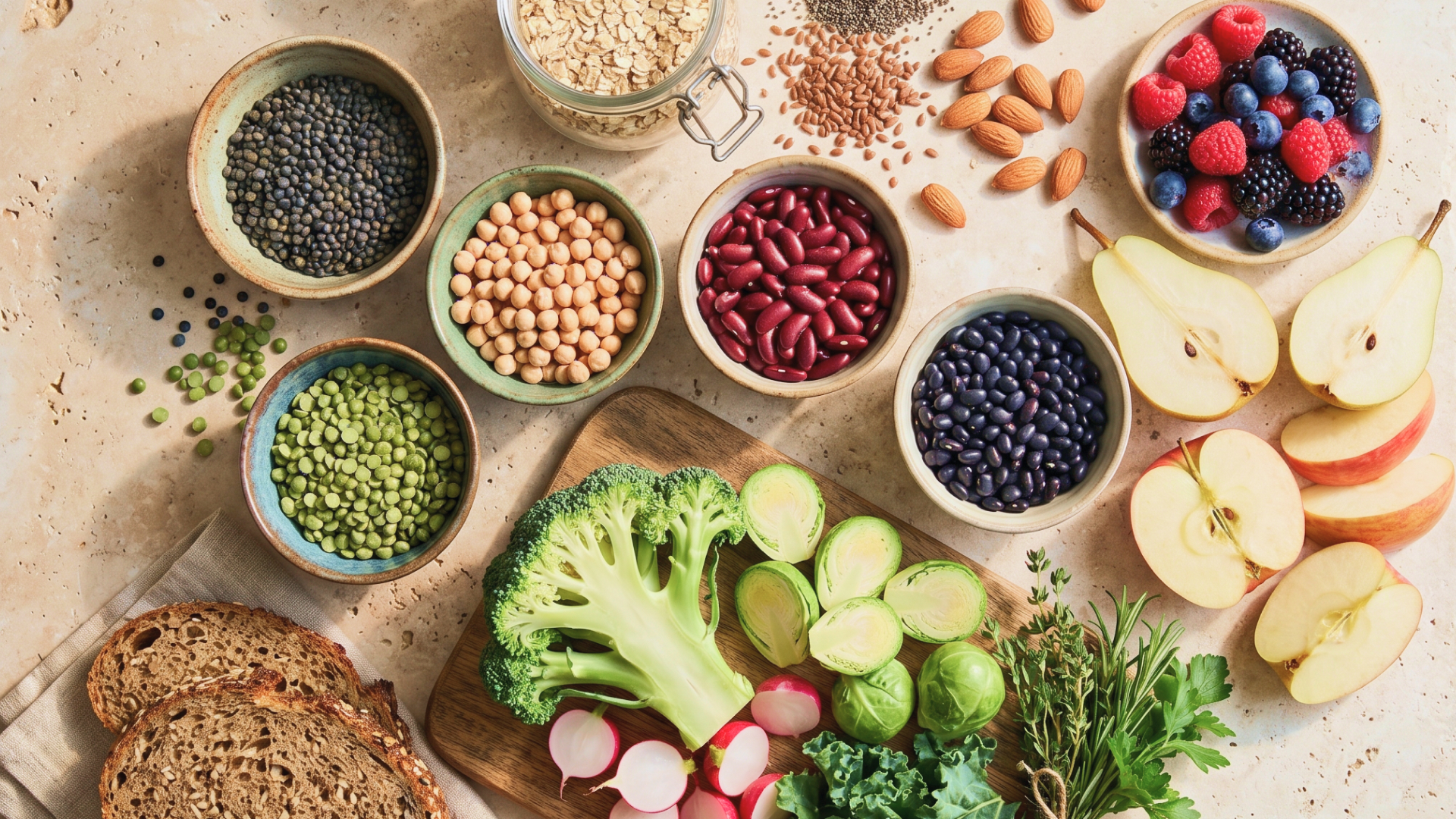
Legumes, including lentils, chickpeas, and beans, are among the most fiber-dense foods. A half-cup of cooked lentils provides about eight grams of fiber, with a good balance of soluble and insoluble types. Legumes are also rich in resistant starch, a fermentable fiber that feeds beneficial gut bacteria like Bifidobacterium and Lactobacillus. If you experience digestive discomfort from legumes, it may mean your gut microbiome isn't yet adapted to them. Start with small portions and gradually increase the amount to allow your gut bacteria time to adjust.
Whole Grains
Oats, barley, quinoa, farro, and brown rice all contribute different types of fiber. Oats are especially high in beta-glucan, a soluble fiber known to help lower cholesterol, regulate blood sugar, and support immune function. Barley contains even more beta-glucan than oats. Less common grains like quinoa and farro add variety to your diet, which helps improve microbiome diversity. Simply choosing whole grains over refined grains is an easy way to significantly increase your fiber intake.
Vegetables
Of all food groups, vegetables have the most diverse fiber structures, making them essential for a healthy gut microbiome. Leafy greens like spinach and kale contain insoluble fiber that promotes regular digestion. Cruciferous vegetables such as broccoli and cauliflower offer both fiber and glucosinolates, which gut bacteria transform into anti-inflammatory compounds. Root vegetables like carrots provide a mix of soluble and insoluble fibers. To maximize the benefits for your microbiome, it's best to eat a wide variety of vegetables instead of sticking to just a few favorites.
Fruits
Though often associated with sugar, whole fruits are a significant fiber source. The fiber slows the absorption of the fruit's natural sugars and delivers prebiotics like pectin, which feed beneficial gut bacteria. Apples and pears are high in pectin, most of which is in or just under the skin.
(The Best for you:) Berries
Such as raspberries, blackberries, and blueberries are among the most fiber-dense fruits and are rich in polyphenols that support gut microbes. Slightly underripe bananas are also notable for their resistant starch, a prebiotic fiber that converts to sugar as the banana ripens.
Nuts and Seeds
Nuts and seeds deliver fiber alongside healthy fats and protein, making them a compact and versatile contribution to gut health. Chia seeds are notable for their very high soluble fiber content, forming a gel when wet that slows digestion and feeds gut bacteria. Flaxseeds provide both soluble and insoluble fiber and are also a source of lignans, which have prebiotic-like effects on microbial composition. Almonds deliver insoluble fiber along with their fat content. A small handful of mixed nuts can count toward three or four different plant food types in a single serving, which matters for reasons discussed below.
Why Variety Is the Real Goal
This brings us to a framework we return to often:
The target of 30 different plant foods per week.
Research from the American Gut Project, one of the largest studies of the human microbiome, found a clear connection between diet and gut diversity. People who ate 30 or more different plant foods per week had significantly more diverse gut microbiomes than those who ate 10 or fewer. This diversity is linked to better metabolic health, stronger immune function, and a lower risk of many chronic diseases.
Variety matters because your microbiome contains hundreds of different bacterial species, and each has its own preferred food source. A diet that repeats the same few foods (even healthy ones) only nourishes a small portion of this community. Over time, this can narrow microbial diversity.
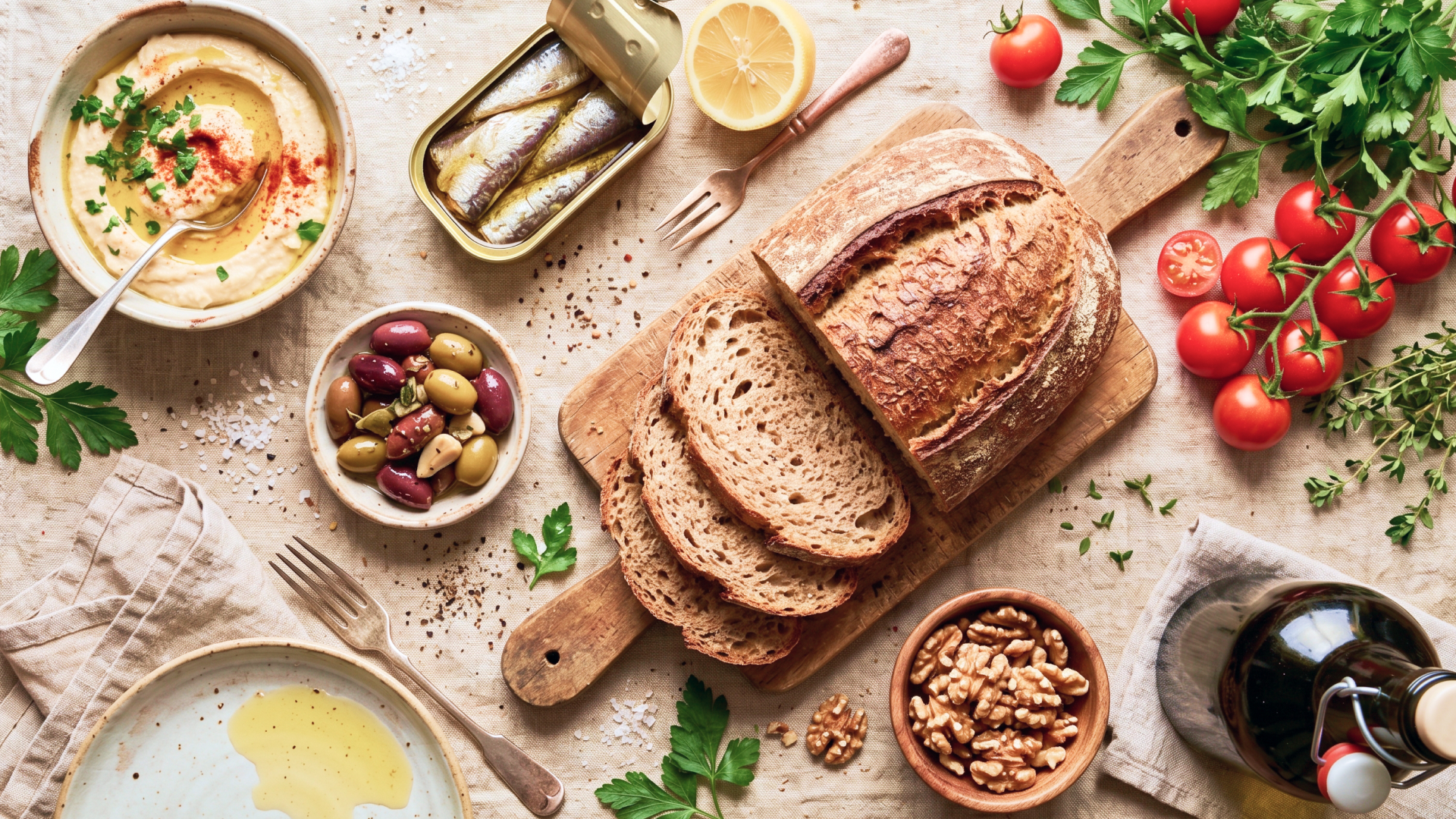
Thirty plants a week might sound intimidating, but the counting is generous. Every distinct vegetable, fruit, grain, legume, nut, seed, and herb counts. A bowl of mixed greens could be four or five types, and a vegetable stir-fry with brown rice could cover ten in one meal. The goal isn’t daily perfection but consistent, intentional rotation.
How to Actually Build This Into Your Diet
Adding more fiber diversity to your diet doesn't require a complete overhaul. It starts with noticing repetition. If you're using the same salad base, grain, and legume week after week, that routine is limiting your microbiome, even if it seems healthy on paper.
A few practical habits can make a measurable difference. Swap your usual grain for a different one a few times a week, add a new legume to a familiar dish, and choose whole fruit over juice, which removes the fiber. Frozen fruits and vegetables are just as good as fresh, as they are flash-frozen at peak ripeness and retain their full fiber and nutritional content.
It's also important to increase fiber intake gradually. Adding too much fiber too quickly can cause bloating and gas as your gut bacteria adapt. A slow ramp-up over two to three weeks gives your microbiome time to adjust, reducing discomfort during the transition.
The Bottom Line
The best sources of fiber aren't a fixed list of superfoods. Instead, focus on a varied rotation of whole plant foods like legumes, whole grains, vegetables, fruits, nuts, and seeds. Each provides different types of fiber and substrates for your gut microbes. The goal is to cycle through as many different items in each category as possible. Variety is the strategy; consistency makes it effective.