
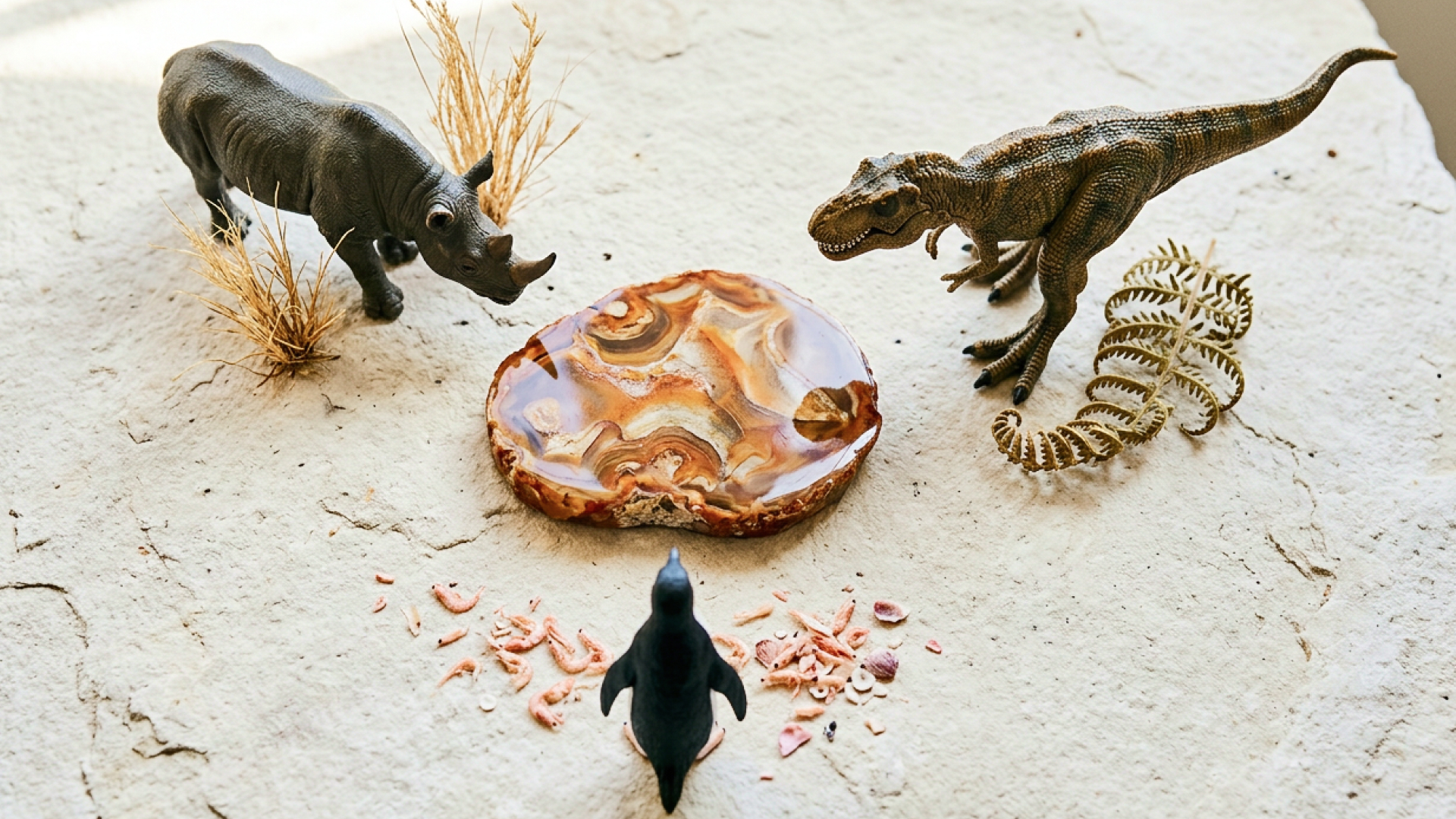
What do a pregnant rhinoceros, a dinosaur that lived 66 million years ago, and a penguin in Antarctica have in common?
Their poop has a story to tell.
Scientists are discovering that feces can reveal a surprising amount of biological information, from reproductive hormones and dietary habits to the effects of environmental change. Even more fascinating, collecting samples repeatedly can reveal how these biological signals change over time, often without invasive procedures.
At Coprata, we believe this largely untapped source of information has enormous potential for human health, too. Here are three remarkable examples from the animal world.
Wild Rhinos: Tracking Reproductive Health, One Poop Sample at a Time
How do you monitor the reproductive health of a wild rhinoceros? Blood tests are hardly practical, especially if you need to collect samples twice a week for an entire year.
Researchers at the Smithsonian National Zoo and Conservation Biology Institute found a much less intrusive solution: collecting rhino dung. At the Ol Jogi Wildlife Conservancy in Kenya, scientists designed a study to monitor 17 breeding female black rhinoceroses by collecting fecal samples at least twice weekly over a year.
By measuring reproductive hormones called progestogens in their dung, researchers can track hormonal cycles, identify irregularities, and better understand the factors influencing reproductive success. The beauty of this approach is that the animals do not need to be captured or subjected to repeated invasive procedures. And perhaps the greatest value comes not from any single measurement, but from following changes over time.
The takeaway: Repeated, noninvasive stool analysis can provide valuable insights into an animal's physiology while minimizing disruption to its natural behavior.
Dinosaur Poop: A 66-Million-Year-Old Record of What They Ate
Even after millions of years, poop can preserve remarkable biological clues. Fossilized feces, known as coprolites, have helped scientists reconstruct dinosaur diets, understand digestion, and even rewrite part of the evolutionary history of plants.
T. rex Ate Bones, Not Just Meat
A massive coprolite discovered in Saskatchewan, Canada, and attributed to a tyrannosaur, most likely Tyrannosaurus rex, contained an extraordinary finding: approximately 30 to 50% of the specimen consisted of bone fragments.
This provided direct evidence that these formidable predators did not simply strip meat from their prey. They crushed and swallowed bones, some of which survived digestion.
Some Plant-Eating Dinosaurs Were Not Strictly Vegetarian
In another surprising discovery, scientists studying coprolites from large plant-eating dinosaurs found fragments of decaying wood and crustacean shells.
Yes, some dinosaurs we think of as herbivores apparently ate animals, too! The researchers suggested that crustaceans could have provided additional protein and calcium, possibly during seasonal periods associated with reproduction. The discovery challenged the traditional view of strictly herbivorous dinosaur diets.
Dinosaur Poop Helped Rewrite the History of Grasses
In a 2005 paper published in Science, researchers reported finding microscopic silica structures called phytoliths in dinosaur coprolites from India, roughly 66 to 70 million years old.
These tiny structures came from grasses, a family of plants that today includes wheat, rice, and other crops that feed much of humanity.The discovery provided evidence that several major grass lineages had already evolved before the dinosaurs went extinct, much earlier than some previous theories suggested. Even fossilized poop can preserve information about diet, digestion, and ecosystems that cannot be recovered from bones alone.
A Curious Connection to Coprata
Coprolites are not only scientific specimens. Some are polished and used as decorative stones or even jewelry. And here is a fun coincidence: the word coprolite comes from the ancient Greek kopros, meaning dung, combined with lithos, meaning stone. The same Greek root inspired the name Coprata, which combines kopros with the word "data."

Penguins: Pink Poop Reveals Antarctica's Changing Ecosystem
Penguins are pooping pink, and scientists can see it from space!
The color of penguin poop, also known as guano, depends partly on what the birds eat. Adélie penguins feed primarily on fish and krill, small, shrimp-like crustaceans rich in reddish pigments. A krill-heavy diet gives their guano a distinctive pinkish hue, while a fish-rich diet produces whiter guano.
At large penguin colonies, where thousands of birds leave behind substantial quantities of guano, these differences are visible in satellite images. Researchers, including Clemson University professor Casey Youngflesh, turned this unusual observation into a powerful tool for studying Antarctica's changing ecosystem. Using satellite imagery spanning three decades, from 1984 to 2013, they reconstructed changes in penguin diets across Antarctica.
Their findings, published in Current Biology in 2026, revealed a strong relationship between sea ice conditions and what penguins eat. When sea ice was more extensive, penguins tended to consume more fish. When sea ice declined, their diets shifted toward greater reliance on krill.
Why Does This Matter?
Fish generally provide more energy than krill, and previous research suggests that chicks receiving more fish tend to be heavier and have better survival rates.
Changes in sea ice can therefore influence food availability, penguin nutrition, and potentially the long-term health of penguin populations.
The remarkable part is the simplicity of the original observation: differences in poop color can reveal changes in diet and help scientists understand how animals respond to environmental change.
From Wildlife Research to Your Own Gut Health
These three examples illustrate a principle that drives our work at Coprata: what leaves the body can tell us a great deal about what is happening inside it. The rhino study demonstrates the power of monitoring biological signals repeatedly over time. Dinosaur coprolites show just how much information feces can preserve about diet and digestion. And penguin research reveals how even a simple color measurement can become meaningful when interpreted in the right scientific context.
At Coprata, we are bringing this same curiosity to human health, and to the question of what your poop says about your health.
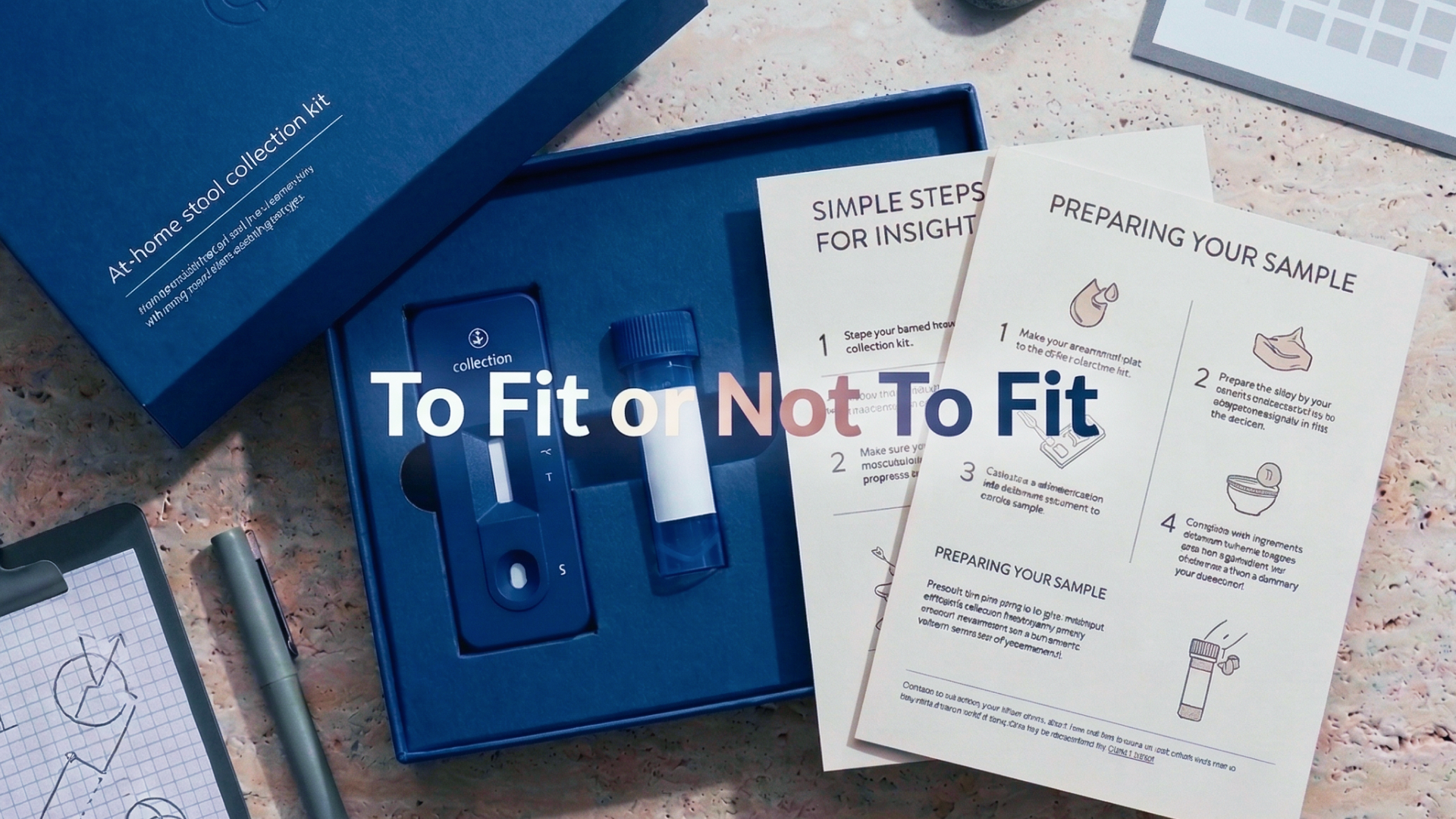
Our Microbiome Activity Tracker (MAT) is an at-home stool test designed to provide a simple, noninvasive way to monitor an aspect of gut microbial activity.
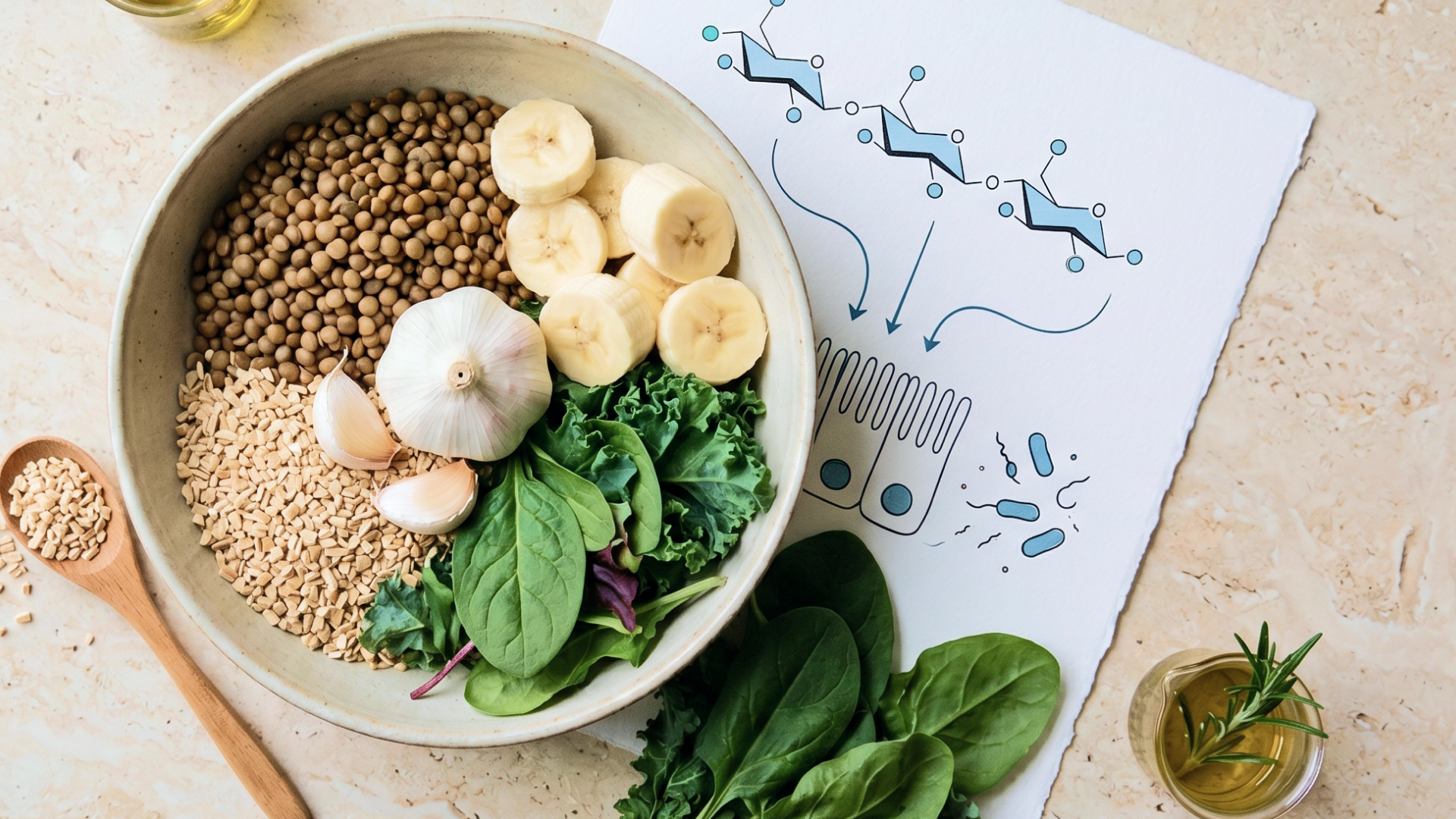
MAT measures fecal pH, a marker influenced in part by the metabolic activity of gut microorganisms, including the production of short-chain fatty acids through fermentation of dietary fiber. Using a colorimetric test and smartphone-based analysis, MAT turns this measurement into an accessible gut health score. A single measurement provides a snapshot. But tracking fecal pH over time can help you observe how your gut responds to changes in diet, habits, supplements, or other influences.
MAT is a wellness tool, not a diagnostic test or a direct measurement of the microbiome's composition. Curious what at-home stool tests can and cannot tell you? Read What Is a Stool Test Kit, and What Can It Actually Tell You. Yet it reflects our broader vision: making biological information that was once difficult to access easier to measure and follow in everyday life.
After all, if poop can help scientists study rhinoceros reproduction, reconstruct dinosaur diets, and monitor environmental changes in Antarctica, imagine what we can continue to learn by paying closer attention to our own. At Coprata, we believe the future of health monitoring may begin with something we routinely flush away.
References
- Kamau MW. The Poop Scoop: How Dung Helps Us Understand Rhino Reproduction. Smithsonian's National Zoo and Conservation Biology Institute, Global Health Program. 2019.
- Chin K, Tokaryk TT, Erickson GM, Calk LC. A king-sized theropod coprolite. Nature. 1998;393:680-682.
- Chin K, Feldmann RM, Tashman JN. Consumption of crustaceans by megaherbivorous dinosaurs: dietary flexibility and dinosaur life history strategies. Scientific Reports. 2017;7:11163.
- Prasad V, Strömberg CAE, Alimohammadian H, Sahni A. Dinosaur coprolites and the early evolution of grasses and grazers. Science. 2005;310(5751):1177-1180.
- Youngflesh C, Che-Castaldo C, Schwaller MR, Polito MJ, Serbin SP, Lynch HJ. Space-based monitoring of penguin diet links sea ice, food webs, and population change. Current Biology. 2026;36(14):3707-3714.e5.