

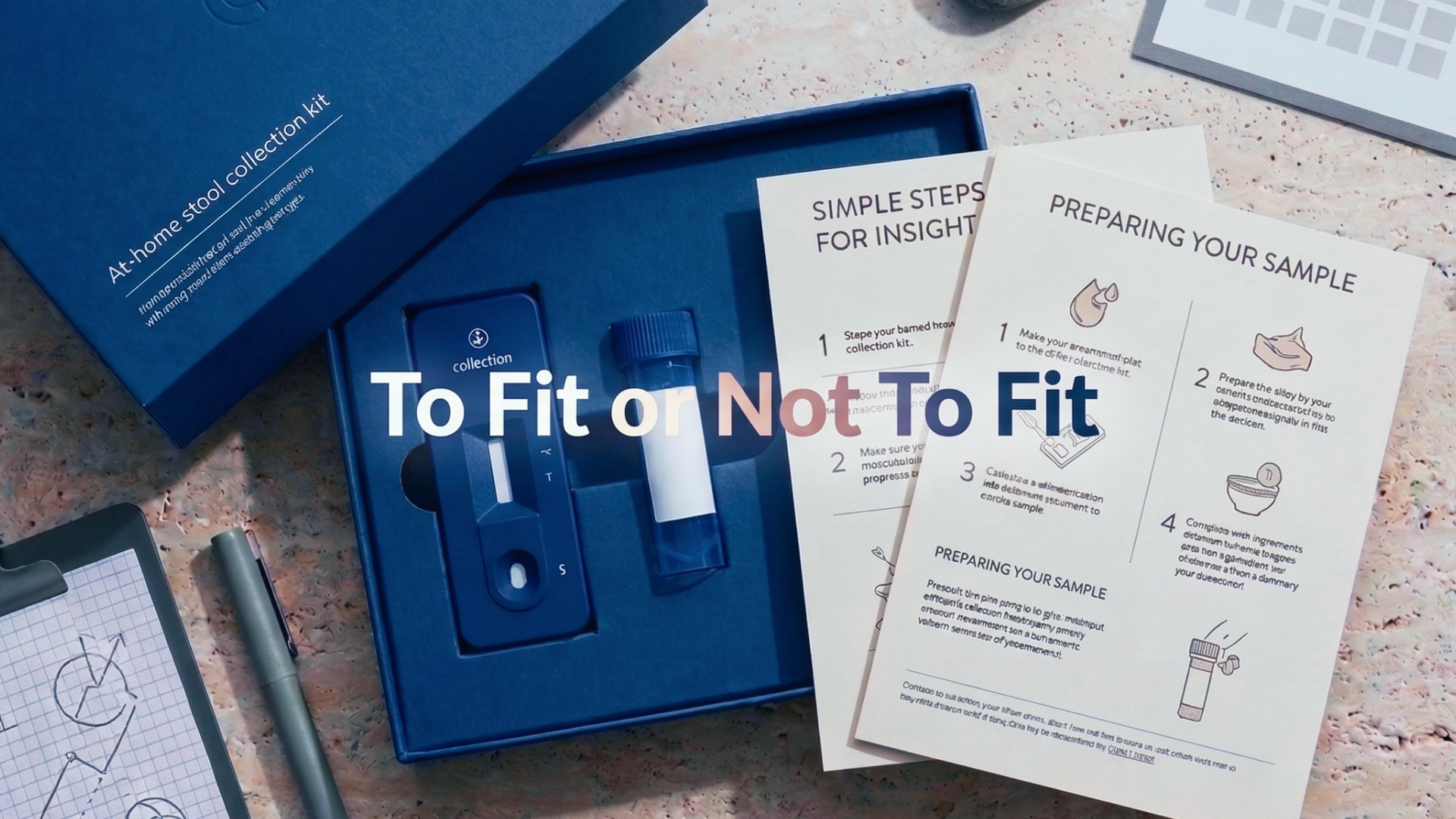
Colorectal cancer is the third most common cancer in the United States and the second leading cause of cancer-related deaths. A concerning trend shows that one in five new diagnoses now occurs in people under 55. In response, both the American Cancer Society and the U.S. Preventive Services Task Force have lowered the recommended screening age from 50 to 45.
The good news is that colorectal cancer is highly preventable and treatable when detected early and early detection starts with a screening test.
Why the Recommended Screening Age Dropped
In 2018, the American Cancer Society updated its guidelines for colorectal cancer screening, and the U.S. Preventive Services Task Force (USPSTF) followed suit in 2021. Both now recommend that adults at average risk begin screening at age 45. The reason for this change is simple: while rates for most cancers are declining or stable, colorectal cancer rates among younger adults are on the rise. Although researchers are still investigating the exact causes (with diet, lifestyle, the microbiome, and environmental factors all seeming to play a role), the clinical response is clear: don't wait until 50.
Two Main Types of Screening
There are two main types of colorectal cancer screening: colonoscopy and stool-based tests. Understanding the difference is the first step to getting screened.
Colonoscopy is the gold standard because it can both detect and remove precancerous tissue (polyps) in a single procedure. It's typically repeated every five to ten years. The downside is that it requires uncomfortable bowel preparation, sedation, and carries a small risk of complications like perforation.
Stool-based tests are less invasive and have no procedural risks. They are screening tools, so a positive result will require a follow-up colonoscopy. However, for many people, a stool-based test is a more accessible starting point, and research shows it saves lives.
What the Stool-Based Options Actually Are
A 2025 review by Shaukat and Crockett published in the American Journal of Gastroenterology compared the available stool-based options. Here is what each one does.
The FIT Test: Two Versions
The Fecal Immunochemical Test (FIT), also known as the Immunochemical Fecal Occult Blood Test (iFOBT), was developed in the 1990s to detect human hemoglobin in stool. In simple terms, it checks for blood in your stool, even amounts invisible to the naked eye.
There are two versions of the test:
- Qualitative FIT: This is an at-home test that provides a simple "yes" or "no" result. Similar to a rapid antigen test, it uses a test cassette and is available over the counter or online for about $10 to $17.
- Quantitative FIT: This test is prescribed by a physician. You collect a stool sample at home using a small stick and vial, then mail it to a lab for analysis. It is generally covered by insurance and Medicare (costing around $22) and is recommended annually. The quantitative FIT has 74% sensitivity and 96% specificity, meaning it correctly identifies colorectal cancer about three-quarters of the time and rarely gives a false positive.
A common question is whether eating red meat or certain vegetables can cause a false positive. The answer is no. The FIT specifically detects human hemoglobin, so animal or plant sources won't affect the results. However, you shouldn't take any stool-based test during a hemorrhoid flare-up, while you have an anal fissure, or during a menstrual period, as blood from these sources can lead to inaccurate results.
Cologuard
Cologuard is a multi-target stool DNA test that combines the FIT with DNA markers extracted from stool. These markers improve its sensitivity for detecting advanced precancerous growths (adenomas). It's recommended every three years and is covered by insurance. The newer version, CologuardPlus, has about 95% sensitivity and 94% specificity. The main drawback is its cost at approximately $600 without insurance. According to USPSTF guidelines, both Cologuard and the standard FIT test have similar overall benefits and harms.
Colosense
Colosense, developed by Geneoscopy, uses RNA markers instead of DNA to offer better detection performance than Cologuard. Though validated in large clinical studies with promising results, it is not yet covered by insurance. This lack of reimbursement currently limits its accessibility for many patients.

The Actual Bottom Line
The most important similarity between these tests isn't their sensitivity or price, but the fact that they provide options. People have varying levels of access, insurance coverage, and comfort with different screening methods. As gastroenterologist Dr. Shaukat states, "the best test is the one that gets done."
In a recent survey of over 1,000 unscreened Americans, a strong majority across all age groups preferred noninvasive, stool-based tests. The tests exist and access is improving, but the main barrier for most people is simply not knowing where to start.
If you are 45 or older and have not yet been screened, that's your starting point.
Reference
Shaukat A, Crockett SD. "Stool Testing for Colon Cancer: Growing Options." Am J Gastroenterol. 2026;121:282–285. https://doi.org/10.14309/ajg.0000000000003631