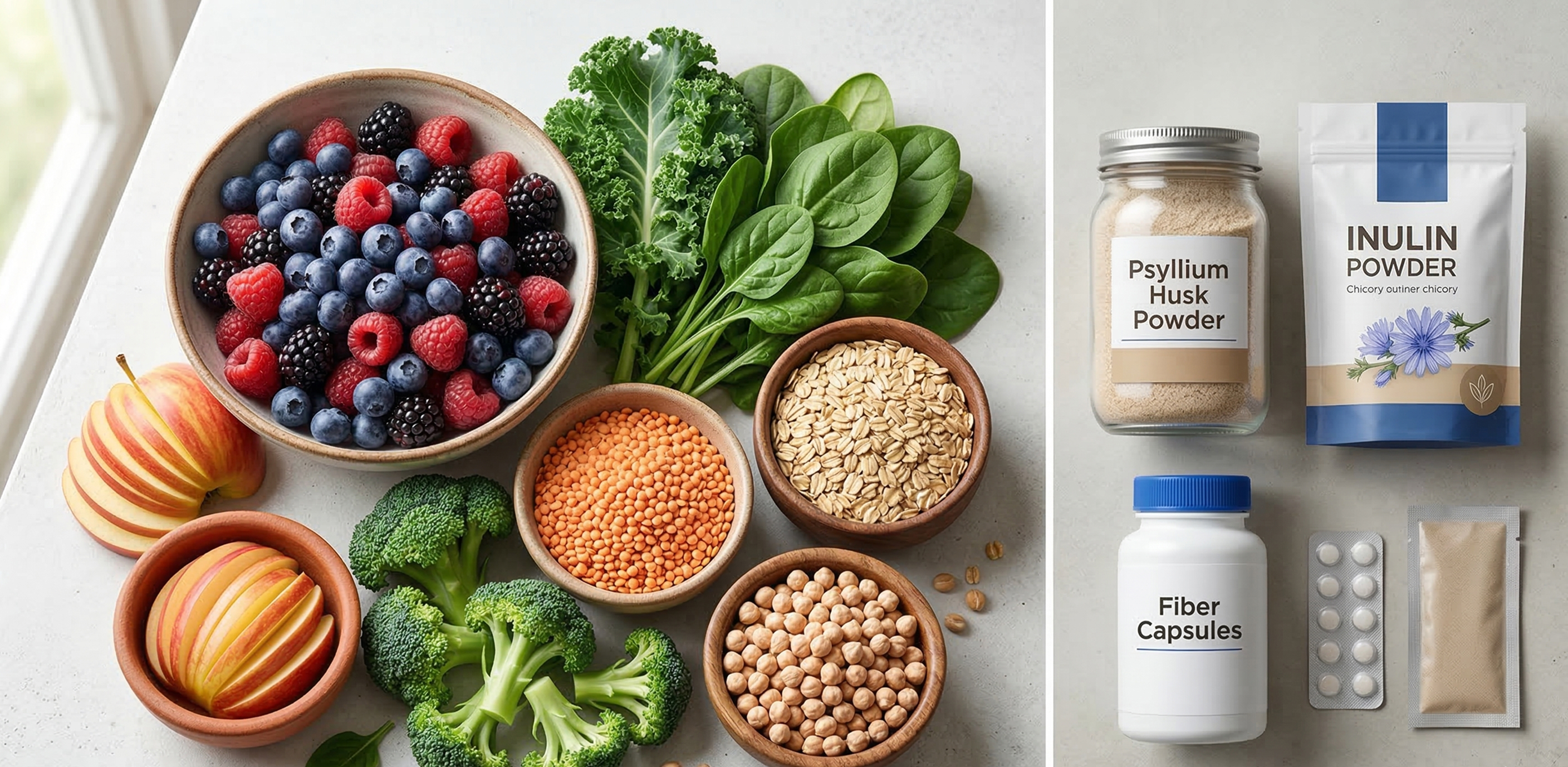


June is Alzheimer's and Brain Awareness Month, making it a good time to talk about one of the most underappreciated connections in the body: the link between your gut microbiome and your brain.
Most people think brain health is only about what happens from the neck up, like mental exercise, sleep, and stress management. However, growing research points to the gut as a significant, and often overlooked, factor in how the brain ages. Understanding this requires looking at the gut-brain axis, a two-way communication network connecting your digestive tract and central nervous system in ways scientists are just beginning to fully understand.
What Is the Gut-Brain Axis?
The gut-brain axis is the communication pathway between your digestive tract and brain. Signals travel in both directions along this biological highway. This means your gut health can influence your mood, cognition, and stress response, while your mental and emotional state can cause physical reactions in your digestive system. This isn't a metaphor; it's a real anatomical and chemical connection that impacts your daily health and long-term disease risk.
Three major pathways explain how this connection works.
The neurological pathway:
The gut and brain are physically connected by the vagus nerve, one of the body's longest nerves. They are also linked by the enteric nervous system, a dense network of neurons lining the gastrointestinal tract. The gut microbiome directly regulates the production of neurotransmitters, including serotonin the chemical messenger most associated with mood. In fact, about 90% of the body's serotonin is produced in the gut.
The endocrine connection:
The gut microbiome also influences the hypothalamic-pituitary-adrenal (HPA) axis, which manages the body's stress response and controls cortisol levels. An imbalanced microbiome can disrupt this system, leading to chronic stress responses that can negatively impact long-term mental and physical health.
The metabolic connection:
When beneficial gut bacteria ferment dietary fiber, they produce short-chain fatty acids (SCFAs). These compounds do more than just maintain the gut lining; they can also cross the blood-brain barrier. Once there, they help regulate brain function and reduce the systemic inflammation often linked to anxiety, depression, and cognitive decline.
What This Means for Brain Aging
Cognitive decline (age-related changes in the ability to think, plan, and remember) is a concern for many as they get older. While some change is a normal part of aging, significant or accelerating decline isn't inevitable. Growing evidence suggests that lifestyle and diet play a meaningful role in how the brain ages.
The U.S. POINTER study, a large-scale clinical trial on lifestyle interventions and brain health, found that a program combining exercise, nutrition, cognitive engagement, and health monitoring can significantly protect against cognitive decline. Nutrition was one of the four core pillars, with the study recommending the MIND diet as the dietary pattern with the most evidence for supporting cognitive function.
Since the gut microbiome is highly responsive to diet, researchers are exploring it as a therapeutic target for preventing or delaying the progression of Alzheimer's disease. Dietary strategies that promote microbial diversity are among the most promising areas of study. These include adding prebiotics and probiotics and focusing on anti-inflammatory, fiber-rich foods.
What Does Brain-Healthy Eating Actually Look Like?
The dietary patterns most supported by brain health research share common features. For example, the MIND diet, which was created specifically for brain health, combines elements of the Mediterranean and DASH diets. It emphasizes plants, healthy fats, and lean proteins while minimizing foods associated with inflammation and metabolic issues. Specifically, the MIND diet recommends:
- Daily leafy green and other vegetables
- Berries at least five times a week
- Whole grains three times a day
- Fish at least once a week
- Poultry twice a week
- Beans and legumes three times a week
- Nuts five times a week
- Extra virgin olive oil as the primary cooking fat
It also advises limiting red and processed meats, butter, margarine, cheese, fried foods, and sweets.
A 2024 systematic review in JAMA Neurology analyzed six dietary patterns across over 159,000 participants. It found that greater adherence to a healthy diet was linked to a lower risk of subjective cognitive decline and better cognitive function. These benefits were most significant when the diet was followed in mid-adulthood (ages 45-54), suggesting that starting these habits earlier offers greater long-term protection.
The key takeaway is not to follow one specific diet perfectly. Rather, it's the consistent application of healthy eating patterns (prioritizing whole plant foods, diverse fiber, and anti-inflammatory fats) that benefits both gut and brain health.
The Gut Health Piece You Can Actually Track
One of the biggest challenges of changing health habits is knowing if they're actually working. While your gut microbiome responds to diet, you can't see this response directly.
Tracking your fecal pH is one way to measure the state of your microbiome over time, as it indicates beneficial bacterial activity. A diet rich in fiber and fermented foods supports a healthier fecal pH range, while a diet high in processed foods and animal proteins shifts it in the wrong direction. Monitoring this signal offers a tangible way to connect your food choices to your gut's inner workings and, by extension, the systems that influence long-term brain health.
It's never too early or too late to take this seriously. Research shows your dietary choices over the decades matter. What you feed your gut also feeds your brain.
References & Appendix
Alzheimer's Association. Alzheimer's & Dementia. https://www.alz.org/
Alzheimer's Association. 10 Signs of Alzheimer's & Dementia. https://www.alz.org/alzheimers-dementia/10_signs
Alzheimer's Association. U.S. POINTER Study. https://www.alz.org/us-pointer/home.asp
Alzheimer's Association. U.S. POINTER Brain Health Recipe (MIND Diet). https://www.alz.org/getmedia/5d1826c1-1ddd-49ca-badc-44deed8eee40/USPOINTERBrainHealthRecipe.pdf
Appleton, J. (2018). The gut-brain axis: influence of microbiota on mood and mental health. Integrative Medicine: A Clinician's Journal, 17(4), 28.
Chen, H., Cortese, M., Flores-Torres, M. H., Tessier, A. J., Wang, D. D., Kang, J. H., & Bjornevik, K. (2026). Dietary patterns and indicators of cognitive function. JAMA Neurology, 83(4), 382-391.