

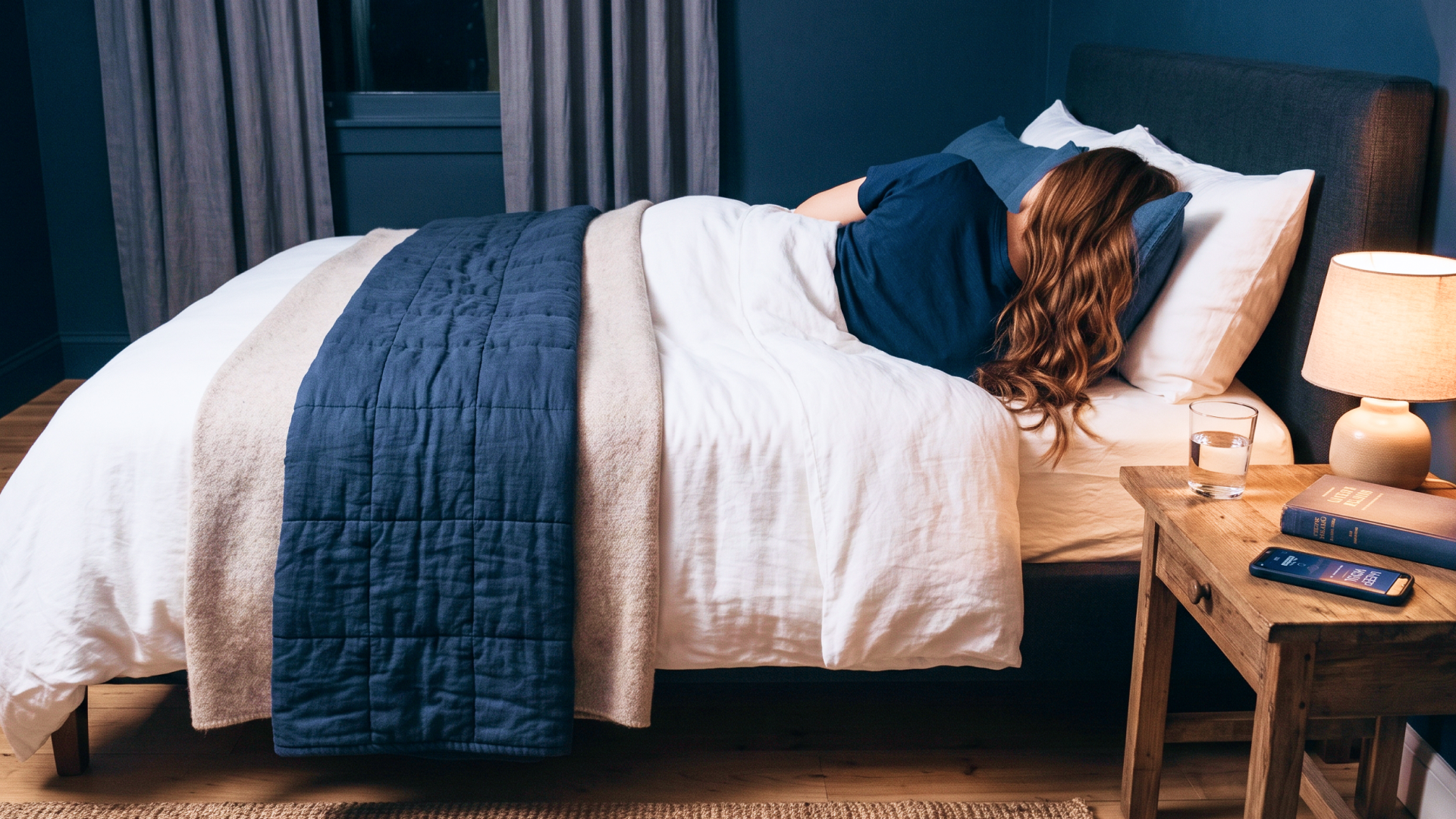
Sleep is another lifestyle factor, alongside diet, exercise, and stress, that influences the gut microbiome.
Sleep is essential for overall health, and emerging research suggests its relationship with the gut runs in both directions. Poor or disrupted sleep may alter the composition and metabolic activity of the gut microbiome, while gut microbes and the compounds they produce may influence sleep in return through the gut-brain axis.
Certain gut bacteria, including Lactobacillus and Bifidobacterium, are involved in pathways related to neurotransmitters such as serotonin and GABA, both of which play roles in relaxation and sleep regulation. Conversely, sleep deprivation has been associated with changes in microbial diversity and reductions in some beneficial bacteria. Human findings are not always consistent, but the overall picture increasingly points to a meaningful connection between sleep quality and gut health.Your Microbiome Also Follows a Daily Rhythm
The abundance and activity of gut microbes fluctuate over a 24-hour cycle. These rhythms are influenced by when we eat and fast and are closely tied to the body's circadian clock. Irregular sleep, nighttime eating, jet lag, and shift work may therefore disrupt both our own biological rhythms and those of our gut microbes.
So your gut microbiome doesn't respond only to what you eat. Sleep and your daily circadian rhythm also appear to influence the composition and activity of your gut microbes.
Sleep and Your Gut's Short-Chain Fatty Acids
Short-chain fatty acids, or SCFAs, are compounds your gut bacteria produce when they ferment the fiber you eat. The three main types are acetate, propionate, and butyrate. These compounds are absorbed through the gut lining and go on to do meaningful work throughout the body. They serve as a primary fuel source for the cells lining your colon, help maintain the integrity of the gut barrier, and play a role in regulating inflammation and metabolism (Hays et al., 2024). In other words, SCFAs are one of the main ways your gut bacteria translate what you eat into signals your body can use, and sleep appears to be part of that equation too.
A 2024 study measured fecal SCFA levels alongside sleep duration in healthy adults. In women, longer sleep duration correlated with higher levels of acetate, propionate, and total SCFAs (Ostrowska et al., 2024). The researchers noted this as part of a broader pattern connecting lifestyle factors, diet, and the gut's metabolic output, though the direction of cause and effect is not yet fully established.
The takeaway is straightforward:
Good sleep belongs alongside nutrition, exercise, and stress management as part of a gut-healthy lifestyle.
2 Ways to Improve Your Sleep
1- Power Down Before Bed
Give your brain and body time to transition into sleep.
For the last 30 to 60 minutes before bedtime, dim the lights, turn off phones and TVs, and switch to quieter activities such as reading a physical book or listening to music. Blue-rich light from screens can suppress melatonin and increase alertness, but light exposure is only part of the problem. Interactive activities such as social media, gaming, and scrolling can also keep the brain engaged and push bedtime later than intended.
A 2025 study of more than 45,000 Norwegian university students found that screen use after going to bed was associated with a 59 percent higher risk of insomnia and roughly 24 fewer minutes of sleep (Hjetland et al., 2025). The researchers suggested that time displacement, meaning screens taking up time that would otherwise be spent sleeping, may be at least as important as blue light itself.
A few simple strategies can help:
- Power down: Turn off phones and TVs 30 to 60 minutes before bed.
- Change location: Charge your phone outside the bedroom.
- Wind down: Read a physical book or listen to something calming instead.
2- Try a Weighted Blanket
If you have trouble settling down at night, a weighted blanket may be worth trying.
Weighted blankets are made heavier with materials such as glass beads, pellets, or chains that distribute gentle pressure across the body. This type of pressure is often referred to as deep pressure stimulation, and it is intended to create a calming sensation similar to a steady hug.
Weighted blankets were originally developed as a non-pharmacological therapy to help reduce anxiety in people with neurodevelopmental conditions such as autism and ADHD. The underlying rationale is that deep pressure activates the parasympathetic nervous system, reducing physiological arousal and preparing the body for sleep. The parasympathetic system is the rest-and-digest branch of the nervous system, and its activation is associated with lower cortisol, increased serotonin and melatonin, a lower heart rate and blood pressure, and improved markers of calmness.
Research on weighted blankets and sleep has grown in recent years, with several clinical studies reporting improvements in sleep onset, nighttime awakenings, sleep duration, and insomnia symptoms. However, the evidence is not yet conclusive. A 2020 systematic review found support for their use in reducing anxiety but stopped short of confirming a benefit for insomnia, noting that larger, high-quality randomized trials are still needed (Eron et al., 2020).
If you want to try one, comfort matters more than simply choosing the heaviest option available. A commonly suggested starting point is around 10 percent of body weight, though this is a general rule of thumb rather than a scientifically established optimal dose.
If you sleep hot, choose carefully. Look for breathable materials such as cotton or bamboo-derived fabric, or an open-knit design, and consider using the weighted blanket over a sheet rather than underneath a comforter.
Weighted blankets can be expensive, and the evidence is still developing. But if gentle pressure helps you feel calmer at night, there is enough emerging science to make them a reasonable experiment for some sleepers.
The Bottom Line
Sleep is not separate from gut health it is part of it. Alongside diet, exercise, and stress management, prioritizing rest is one more lever for supporting a healthy gut microbiome. Whether that means a wind-down routine, a weighted blanket, or a more consistent sleep schedule, the approach matters less than the consistency.
References
Grasa-Ciria, Diego, et al. "Disrupted rhythms, disrupted microbes: A systematic review of shift work and gut microbiota alterations." Nutrients 17.17 (2025): 2894.
Hjetland, Gunnhild Johnsen, et al. "How and when screens are used: comparing different screen activities and sleep in Norwegian university students." Frontiers in Psychiatry 16 (2025): 1548273.
Eron, Kathryn, et al. "Weighted blanket use: A systematic review." American Journal of Occupational Therapy 74.2 (2020): 7402205010.
Hays, Kallie E., Jacob M. Pfaffinger, and Rebecca Ryznar. "The interplay between gut microbiota, short-chain fatty acids, and implications for host health and disease." Gut Microbes 16.1 (2024): 2393270.
Ostrowska, J., et al. "The Potential Role of SCFAs in Modulating Cardiometabolic Risk by Interacting with Adiposity Parameters and Diet." Nutrients 16.2 (2024): 266.