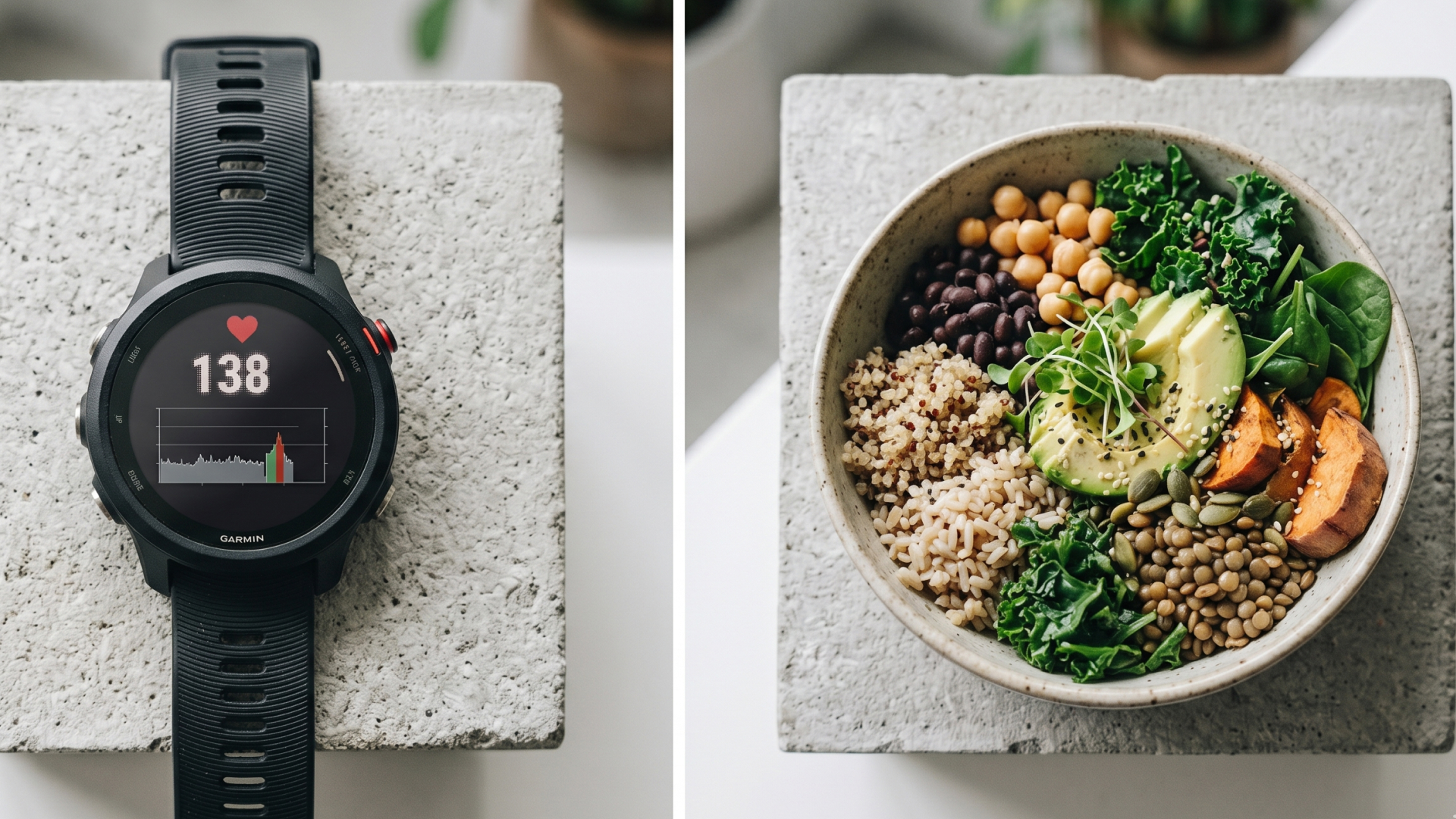


You can eat the right foods, take all the right supplements, and put in the effort. But if your nervous system is out of balance, your gut simply will not be in a state to heal.
This is not a fringe idea. It is basic physiology, and it starts with something you are already doing every minute of every day.
The gut and the brain are in constant conversation.
This communication pathway is the vagus nerve, a long nerve connecting your brain to nearly every digestive organ. What most people don’t realize is that this nerve responds to something as simple as your breath.
Deep, intentional breathing activates the diaphragm, which in turn stimulates the vagus nerve. This sends a signal to your brain that shifts your autonomic nervous system out of the sympathetic (fight-or-flight) state and into the parasympathetic (rest-and-digest) state.
The difference is significant. In sympathetic mode, your heart rate and cortisol rise, while blood flow is diverted from your digestive tract to your muscles. Your body is preparing to react, not to process a meal. Digestion slows, gut motility decreases, and inflammation can increase. Chronic sympathetic overdrive is linked to gut permeability, an imbalanced microbiome, and other digestive issues.
In parasympathetic mode, the opposite occurs. Your heart rate slows, cortisol drops, and blood flow returns to your digestive organs. Enzyme production increases and gut motility normalizes. Your gut can finally do its job.
Breathwork is the switch.
This is where intentional breathing (a structured breathwork practice) differs from the unconscious breathing you do without thinking. Breathwork trains you to slow and deepen your breathing, using it consistently enough that your nervous system learns a new default state.
The barrier to entry is almost nonexistent. No equipment, supplements, or complicated protocols are needed. As little as five minutes of intentional diaphragmatic breathing daily can activate vagal tone, reduce cortisol, and lower markers of stress-related inflammation.
One common technique is the 4-7-8 method:
- Inhale for four counts.
- Hold for seven counts.
- Exhale for eight counts.
The extended exhale is the key, as it signals safety to the nervous system and stimulates a parasympathetic response more effectively than the inhale alone.
Other approaches, like box breathing and resonance breathing, have been studied for conditions such as irritable bowel syndrome and functional dyspepsia, where the gut-brain axis plays a clear role. The results consistently show that reducing autonomic stress signals improves gut function.
What this means practically
Breathwork doesn’t replace diet, sleep, or movement. It makes them more effective. A gut under chronic stress can't absorb nutrients, regulate immunity, or recover properly. When you can't manage the stress signals, the benefits of good nutrition and rest don't land.
If you are tracking your gut health data, note how your scores shift during periods of high stress versus times when you are managing it. The connection between your nervous system and your microbiome is real, measurable, and more responsive to simple changes than you might think.
- Chronic stress negatively impacts gut health by impairing nutrient absorption, immune regulation, and recovery processes.
- The benefits of good nutrition and rest are diminished when stress signals remain unaddressed.
- Tracking gut health data during high-stress vs. low-stress periods can reveal measurable shifts and patterns.
- Simple, manageable changes can significantly improve the interaction between your nervous system and microbiome.