
Electrolyte powders are everywhere: grocery shelves, gym bags, and TikTok feeds. But are they actually better than plain water, or just an expensive way to flavor it?
Every summer brings a fresh wave of hydration advice, and the generational divide is hard to miss. Gen Z is walking around with oversized water bottles as a visible commitment to staying hydrated. At the same time, population surveys suggest that a meaningful share of adults fall short of recommended fluid intake, which is a sign that consistent, proper hydration is worth paying attention to for a lot of people.
TikTok is full of electrolyte sachets from wellness companies promising better hydration, more energy, and faster recovery. So what does the research actually say about hydration, and do you really need to be adding electrolytes to your water?
Why Hydration Matters
A growing number of epidemiological studies have linked markers of underhydration, such as elevated blood levels of vasopressin and sodium, with an increased risk of adverse health outcomes, including the future development of chronic disease and premature mortality.
These studies followed participants who did not have the disease of interest at baseline. Researchers measured habitual water intake, then followed up six, nine, and in some cases up to fifteen years later. Studies comparing hydration biomarkers between low habitual drinkers (roughly 1.3 to 1.6 liters per day) and high habitual drinkers (roughly 2 to 4 liters per day) found increased risk of several conditions in the lower-intake group, including type 2 diabetes, coronary artery disease and heart failure, and reduced kidney function.
How Much Fluid Do You Really Need?
The right amount of fluid depends on several variables, including health status, physical activity level, climate, and individual demographics. Adequate intake tables offer a general reference point by gender, though these figures represent a baseline rather than a strict recommendation. A meaningful portion of daily hydration, typically between 20 and 30 percent, comes from food sources such as fresh fruits and vegetables. The remainder comes from beverages and other fluids.
Adequate Fluid Intake by Gender (Institute of Medicine, 2005)
A simple way to estimate daily water needs is to take your body weight in pounds and divide it in half. The result is a target number of ounces per day. For someone weighing 160 pounds, that works out to roughly 80 ounces of fluid daily.
Tips for Adequate Intake
Drinking water when you feel thirsty is a reasonable baseline, but the thirst signal typically lags behind actual hydration need. Drinking proactively, rather than waiting to feel thirsty, is a more reliable approach.
A common rule of thumb: if you are not tracking how much water you drink, you are probably not drinking enough.
This is especially relevant for anyone taking a GLP-1 medication. The brain regions that regulate hunger also help manage thirst, which means a suppressed appetite can reduce the desire to drink. For people in that situation, building proactive fluid intake into daily habits becomes more important, not less.
A couple of practical starting points:
- Measure the actual volume of your favorite water bottle or container so you know exactly how much you are drinking each time you refill it.
- Build a consistent routine by pairing your morning coffee with one or two large glasses of water each day.
What Type of Fluid?
Water is the ideal source of hydration. Although caffeine has traditionally been considered a diuretic, current research suggests that caffeinated drinks do not generally cause dehydration. Higher caffeine intakes of around 180 mg or more per day, which is roughly two cups of brewed coffee, may temporarily increase urination in some people, but this does not necessarily result in a net loss of body water. Coffee, tea, and other caffeinated beverages can still count toward daily fluid intake.
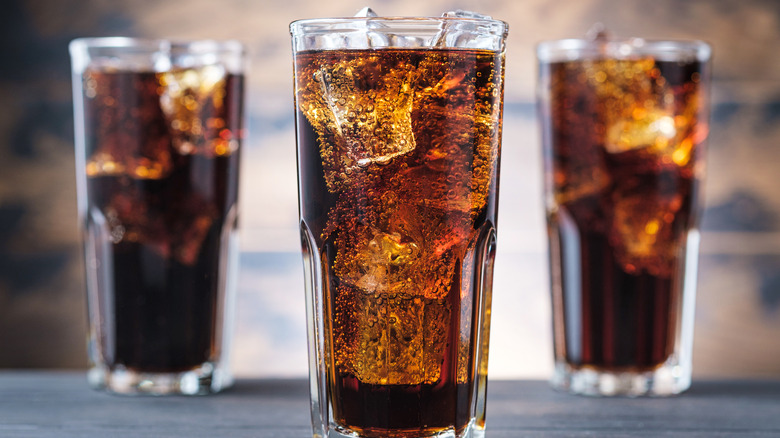
Soda, whether full sugar or diet, is best treated as an occasional treat rather than a regular source of hydration.
What About Electrolytes?
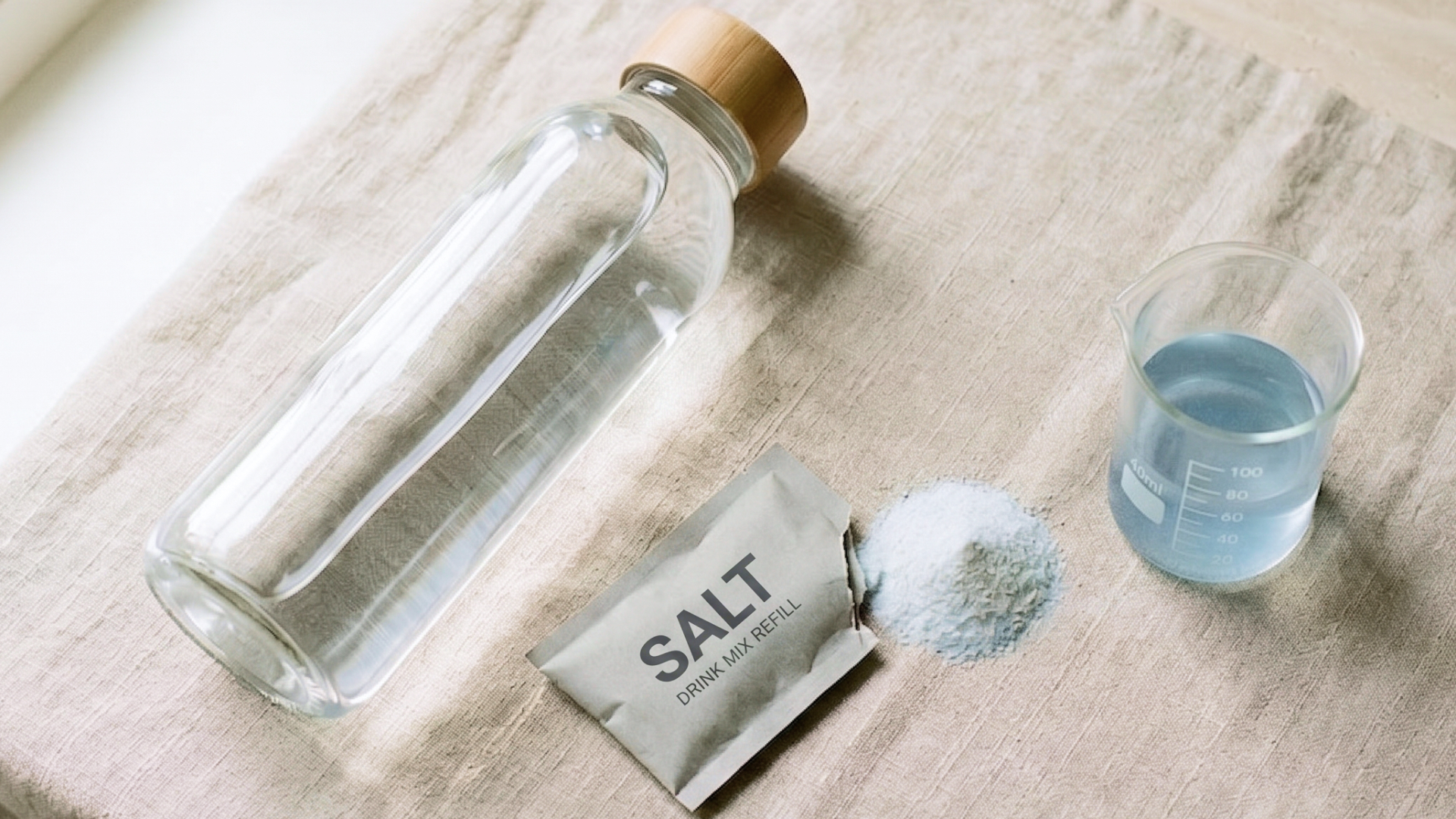
Electrolyte powders typically combine electrolytes, carbohydrates for energy, and sometimes vitamins, caffeine, or other ingredients that are mixed into water to create a flavored drink. They are designed to promote fluid absorption and retention, similar to powdered sports drinks. For most people, adding electrolytes to daily water is not necessary. Sodium, potassium, and other minerals are readily available through food, and the added sugar found in many electrolyte products is not needed either.
Sodium is often promoted for its role in water retention, and research does show that consuming large amounts of salt can help the body retain more water in the bloodstream for hydration purposes. That benefit comes with a real tradeoff, however. Too much sodium is linked to higher blood pressure, so relying on salt intake as a hydration strategy carries its own risk.
Exercise Changes the Equation
Sports medicine guidance has long recognized that electrolyte-containing beverages become more useful as exercise duration and sweat losses increase, but that threshold is higher than most casual exercisers reach. Electrolyte drinks tend to make the most sense under specific conditions: intense exercise lasting an hour or more, three or more hours of outdoor activity, or exercise in hot or humid weather.
Individual sweat rate also plays a role, since some people lose more sodium through sweat than others.
For shorter workouts, there is little evidence that carbohydrate-electrolyte beverages offer a meaningful physiological advantage over plain water. For most everyday exercise, water remains the better choice.
The Bottom Line
For most day-to-day hydration, plain water handles what your body needs, with a meaningful portion coming from food. Electrolyte powders are worth reaching for during genuinely long or intense workouts, in hot weather, or when you are sweating heavily. Outside of those conditions, a water bottle you actually keep with you is the better investment.
References
National Academies of Sciences, Engineering, and Medicine. 2005. Dietary Reference Intakes for Water, Potassium, Sodium, Chloride, and Sulfate. Washington, DC: The National Academies Press. DOI: 10.17226/10925
Gandy, J. Water intake: validity of population assessment and recommendations. Eur J Nutr 54 (Suppl 2), 11–16 (2015). DOI: 10.1007/s00394-015-0944-8. PMID: 26048039
Dmitrieva, Natalia I., et al. "Long-term health outcomes associated with hydration status." Nature Reviews Nephrology 20.5 (2024): 275-294. DOI: 10.1038/s41581-024-00817-1. PMID: 38409366
Note: the original draft cited PMID 26201871 for the Gandy reference. That PMID actually corresponds to the erratum notice, not the original article. Corrected above to PMID 26048039 (original article), with the erratum's DOI (10.1007/s00394-015-0965-3) available separately if a correction note is ever needed.